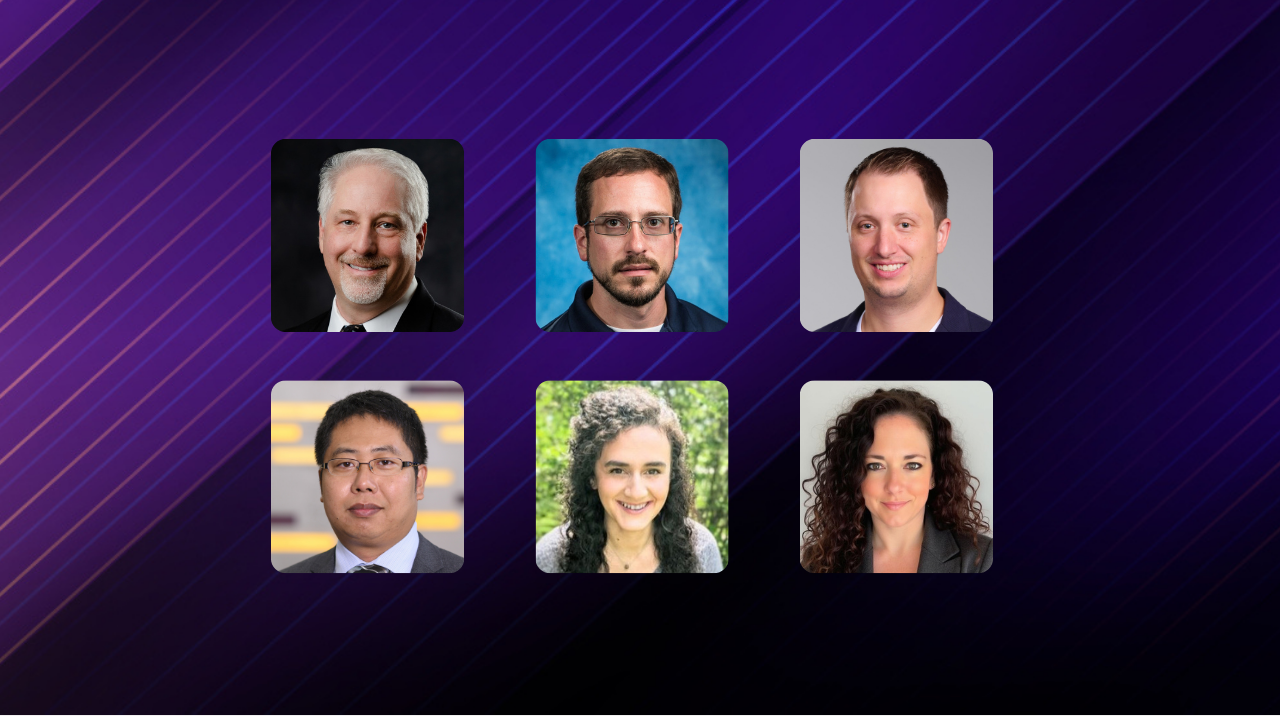
As the EcoCAR Innovation Challenge begins, six faculty members have been selected to serve on the Year 1 Faculty Advisory Board (FAB), representing both the General Motors and Stellantis competition tracks. Collectively, the board brings decades of experience in engineering education, advanced vehicle technologies, and student mentorship. Their expertise spans artificial intelligence, autonomous systems, advanced vehicle technologies, batteries and mobility, reflecting the EcoCAR Innovation Challenge’s multidisciplinary nature.
The FAB serves as a voice for participating universities, providing guidance to competition organizers while helping shape activities that strengthen the student experience. Although each representative brings a unique perspective, from universities participating in their first AVTC to faculty who have advised teams for more than two decades, they all share a common goal: preparing students for successful careers through hands-on, industry-driven learning.
Meet the faculty leaders who will help guide the EcoCAR Innovation Challenge throughout its first year.
John Ball | Mississippi State University (GM Track)
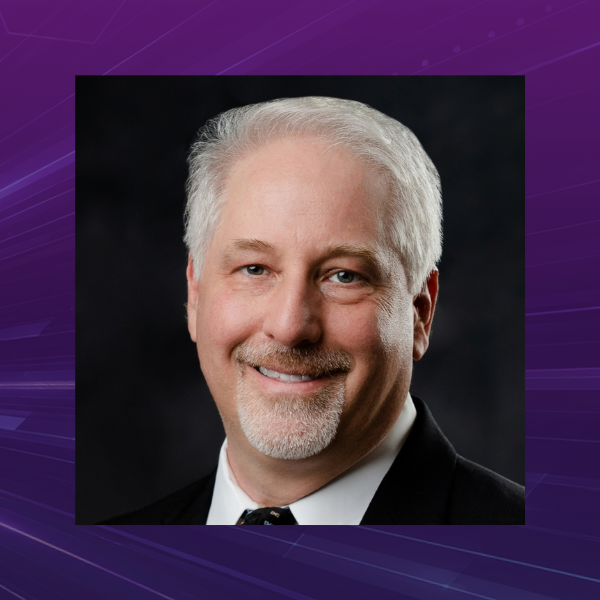
As Lead Faculty Advisor for Mississippi State, Dr. John Ball has spent years helping students bridge the gap between classroom concepts and real-world engineering. A professor and Robert D. Guyton Endowed Chair in the Department of Electrical and Computer Engineering, Ball’s research focuses on signal and image processing, artificial intelligence, machine learning, and autonomous systems, making him well positioned to help guide the future of the program.
Having previously served on the Faculty Advisory Board during the EcoCAR EV Challenge, Ball welcomed the opportunity to return for the Innovation Challenge. He believes the board plays an important role in keeping the competition grounded while representing the perspectives of participating faculty.
Looking ahead, he sees one of the biggest opportunities in Year 1 as creating more chances for students to connect beyond scheduled workshops and technical bootcamps, allowing undergraduate and graduate students from different universities to learn from one another and build lasting professional relationships.
For Ball, however, the true measure of EcoCAR’s success isn’t found in the vehicle. Instead, it is found in the students themselves.
“The most important part is the teamwork,” Ball said. “Everyone has to pull everything together and work with each other. Replanning, replanning, and replanning is the key. I can see a huge difference in students from when they come into EcoCAR versus when they graduate. They become better engineers, better communicators, and just better people. Those are skills that even if they don’t go into the automotive industry, they’ll use for life.”
Patrick Currier | Embry-Riddle Aeronautical University (GM Track)
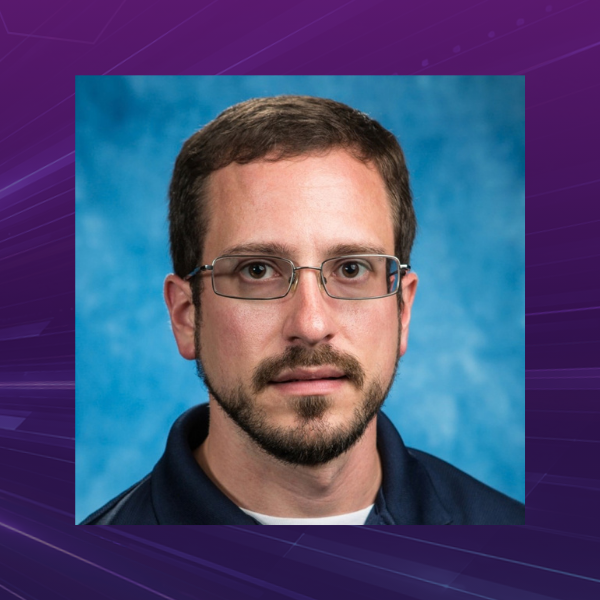
With decades of experience mentoring student engineering teams, Dr. Patrick Currier brings one of the longest histories in Advanced Vehicle Technology Competitions (AVTCs) to the Faculty Advisory Board. As Professor and Chair of Mechanical Engineering at Embry-Riddle Aeronautical University, Currier’s expertise spans hybrid and electric powertrains, autonomous systems, and advanced aerial mobility. Beyond EcoCAR, he has advised students competing in Baja SAE, RoboBoat, RoboSub, NASA Lunabotics, and several other national engineering competitions, giving him a broad perspective on experiential learning.
Currier has served on the Faculty Advisory Board on and off for the past 14 years and sees it as an opportunity to advocate for both students and faculty.
During that time, he has watched the competition transform from a powertrain-focused challenge into a multidisciplinary program that now includes students from communications, business, software, systems engineering, and many other disciplines. While the competition has grown significantly in scope, Currier believes those changes have made the experience even more valuable by better reflecting the collaborative nature of today’s automotive industry.
When he thinks about what students gain from EcoCAR, Currier points to experiences that simply cannot be replicated in a classroom.
Currier said, “Learning the practical side of how projects run is key. There’s a difference between just talking about something versus actually implementing and doing it. Industry involvement with real feedback is also a great part of something like EcoCAR. Learning the multidisciplinary aspects of a real automotive company is a unique experience and more reflective of real-life work for the students.”
Zach Asher | Western Michigan University (GM Track)
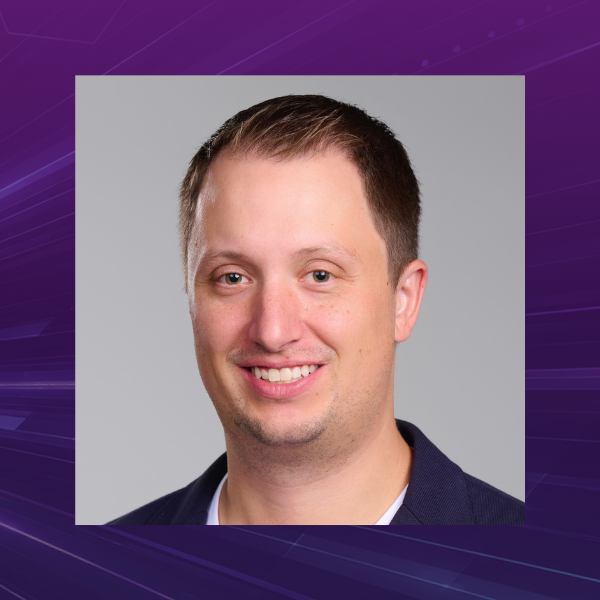
Representing Western Michigan University, Dr. Zach Asher brings expertise in automated driving assurance, artificial intelligence, and autonomous vehicle commercialization to the Faculty Advisory Board. As an Associate Professor, Asher combines research in optimal control and autonomy with hands-on student mentorship, helping prepare engineers for the rapidly evolving transportation industry. His appointment to the board also represents one of the competition’s newer universities, offering valuable insight into the challenges and opportunities of building a program from the ground up.
Asher hopes to offer fresh perspectives to the FAB while sharing lessons learned from launching a new AVTC team. He believes Connected and Automated Vehicles (CAVs) and Product Innovation Track (PIT) activities make the EcoCAR Innovation Challenge unlike any previous competition, creating exciting new opportunities for students to engage with emerging technologies.
With Western Michigan participating in only its second AVTC since 1995, Asher sees EcoCAR as an opportunity to fulfill long-standing student interest in automotive engineering while connecting them with industry leaders and cutting-edge technology.
“Having access to brand new vehicles and technical leadership from industry is incredible,” Asher said. “It’s a core part of EcoCAR, and students can learn so much from those aspects. They work so hard to give students the latest and greatest vehicles and technology. The students are the stars of the work. I’m simply helping carry the mission forward.”
Xiangyu Meng | Louisiana State University (Stellantis Track)
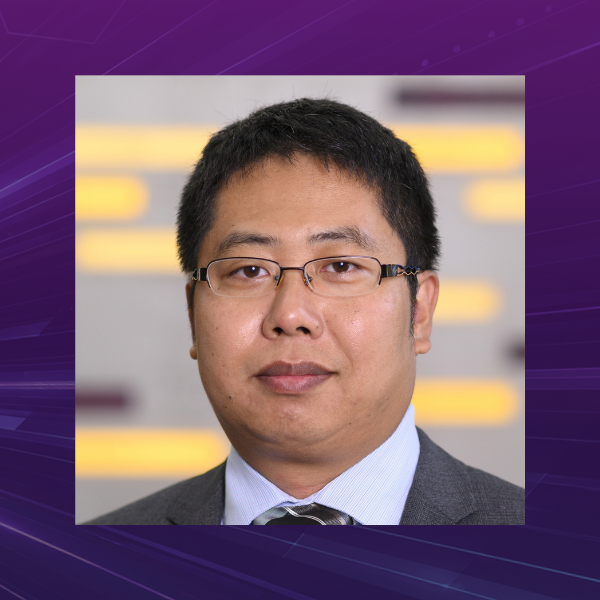
For Dr. Xiangyu Meng, the EcoCAR Innovation Challenge marks an exciting milestone not only for himself, but also for Louisiana State University. As Lead Faculty Advisor for LSU’s inaugural AVTC, Meng brings expertise in control systems, autonomous systems, reinforcement learning, and intelligent transportation technologies. Before joining LSU, he held research positions at the University of Alberta, Nanyang Technological University, and Boston University, building a career focused on advancing intelligent mobility while mentoring the next generation of engineers.
As one of the newest faculty advisors in the competition, Meng saw the Faculty Advisory Board as an opportunity to represent universities entering the AVTC series for the first time. He was inspired by the idea that the board should reflect all participating faculty, including those bringing fresh perspectives to the competition.
Looking ahead, he believes this year brings one of the greatest opportunities to strengthen the student experience by giving teams a clear roadmap of what the next four years will be like.
The enthusiasm surrounding LSU’s first EcoCAR team has already exceeded expectations, with more than 60 students applying from engineering, business, and communications. Meng hopes those students leave the competition not only with technical knowledge, but with the confidence to become future leaders.
“I hope the students can say the challenge gave them the ability to lead,” Meng said. “Specifically, I want them to walk away with strong project management skills and the confidence to communicate complex engineering ideas to any audience, not just other engineers. Those are the skills that will serve them long after they’ve forgotten the technical details. That’s what truly prepares students for leadership roles.”
Polina Brodsky | Colorado School of Mines (Stellantis Track)
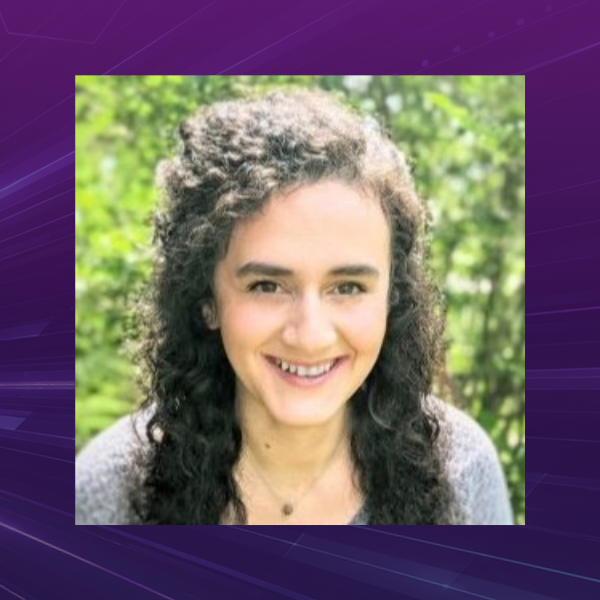
At the Colorado School of Mines, Dr. Polina Brodsky has built her career around experiential learning and preparing students for the rapidly changing electric vehicle industry. A Teaching Associate Professor in Mechanical Engineering, Brodsky earned her Ph.D. from The Ohio State University, where her research focused on battery characterization and fast charging. Her industry experience includes internships with multiple OEMs and tech companies, and she most recently led Mines’ Battery Workforce Challenge team to a first-place finish in Year 1 while earning recognition as the Faculty Advisor of the Year in tandem.
Brodsky believes deeply in the mission of EcoCAR and the opportunities it creates for students. Having worked with both veteran and first-year competition teams, she understands the importance of making the challenge accessible while maintaining realistic expectations. Above all, she hopes the board can continue creating an environment where every student can contribute and succeed.
For Brodsky, the most rewarding part of advising student teams is watching them recognize how much they’ve grown.
“I want students to gain the perspective of their own growth,” Brodsky said. “I have watched them come out of series like EcoCAR with confidence. It’s a transformative experience, watching them slow down and realize their accomplishments and encourage them to do hard things. I want them to carry that confidence forward while learning to view themselves as part of a team.”
Stacey Johnson | University at Buffalo (Stellantis Track)
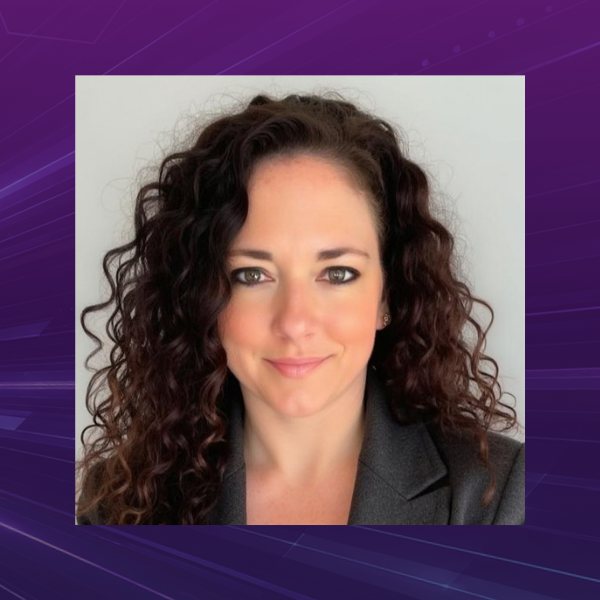
While many Faculty Advisory Board members bring decades of technical research experience, Stacey Johnson offers a different, but equally important, perspective. As Director of Workforce and Industry Engagement in Business & Entrepreneur Partnerships at the University at Buffalo, Johnson has spent her career connecting higher education, industry, and workforce development. She has helped lead more than $500 million in workforce and innovation initiatives, supporting talent pipelines in clean energy, advanced manufacturing, battery technologies, artificial intelligence, and other emerging industries.
Johnson was drawn to the Faculty Advisory Board because EcoCAR represents the type of student experience she values most: one that is interdisciplinary, industry-connected, and centered on preparing students for meaningful careers. She believes the competition is about much more than designing a vehicle. It teaches students how to solve real problems, collaborate across disciplines, communicate effectively, and navigate the expectations of a professional workplace. She also hopes to strengthen the connection between EcoCAR and future career opportunities through mentorship, employer engagement, and workforce development.
When students reflect on their time in EcoCAR years from now, Johnson hopes they remember more than the technical skills they developed.
“I hope students can say EcoCAR gave them confidence,” Johnson said. “I hope they say it helped them understand what they are capable of when they are trusted with a real problem, a real team, and real expectations. Most importantly, beyond engineering skills, I hope they gain their professional identity and the sense that they belong in these spaces and are prepared to contribute.”
Looking Ahead
Although they represent different universities, disciplines, and experiences, the members of the Year 1 Faculty Advisory Board share a common vision for the EcoCAR Innovation Challenge. Whether guiding first-time teams, drawing on decades of AVTC experience, advancing research in emerging vehicle technologies, or strengthening pathways between education and industry, each representative is committed to creating an environment where students can thrive.
As the EcoCAR Innovation Challenge continues through its inaugural year, the Faculty Advisory Board will help shape the series as well as the experiences of the students participating in it.