Written by: Ashley Kronsell Oller
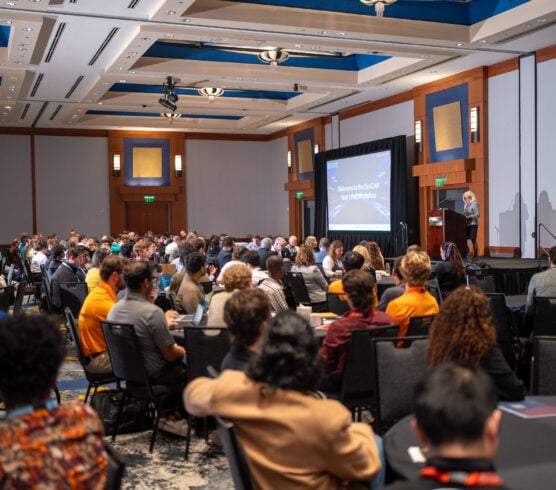
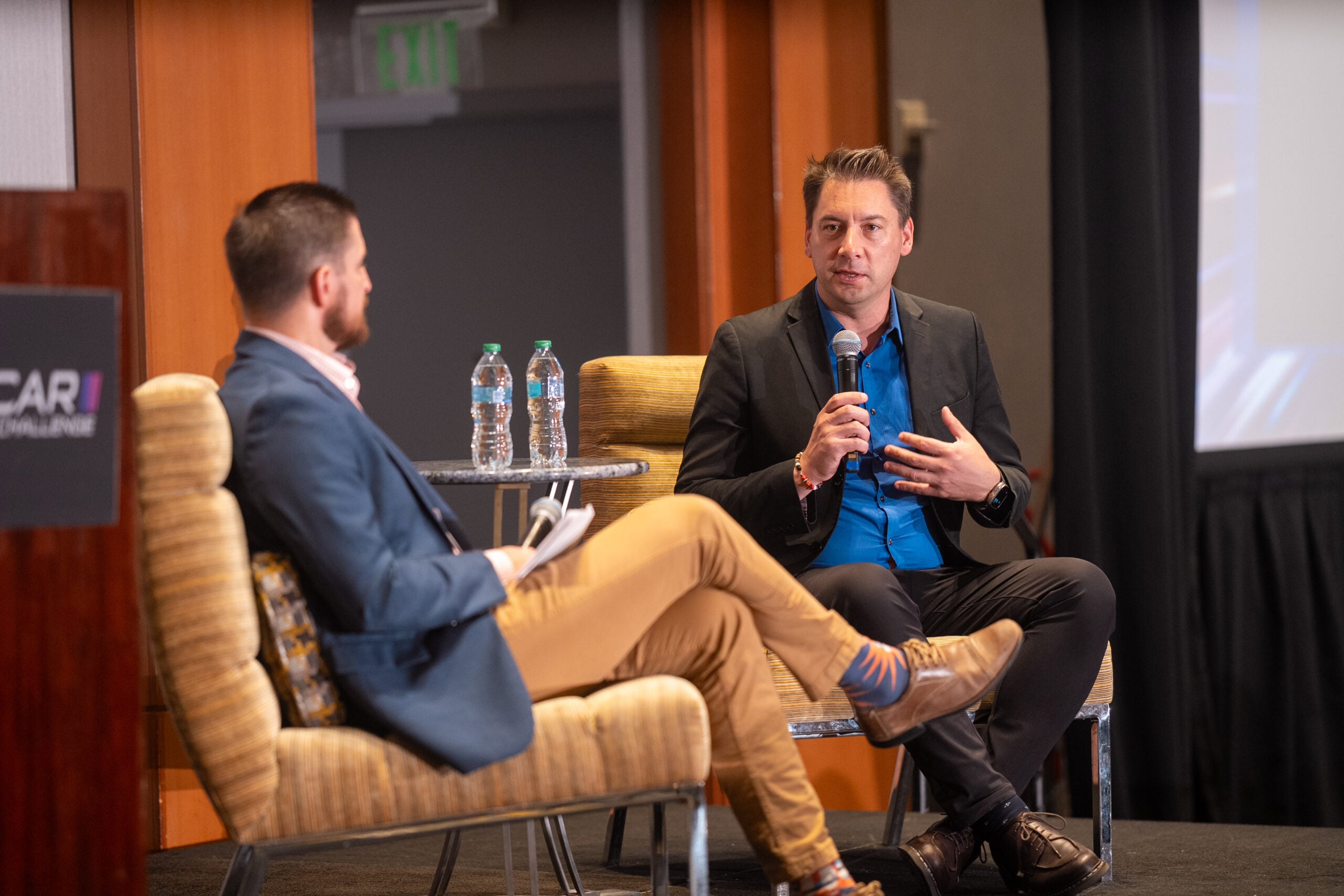
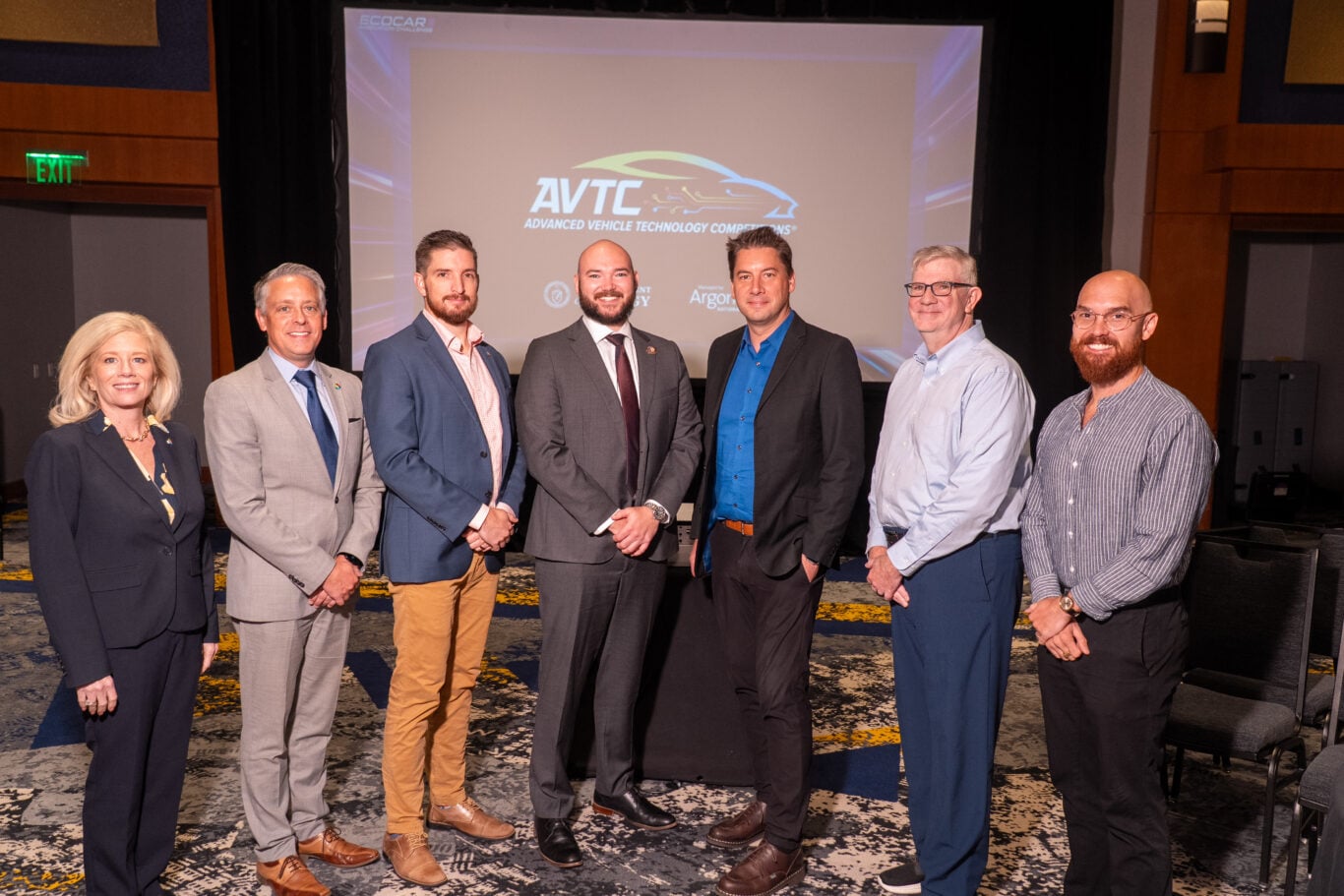
At the recent EcoCAR Innovation Challenge Fall Workshop in Atlanta, American Battery Technology Company (ABTC) CEO Ryan Melsert joined EcoCAR Program Director Jesse Alley for a special “Where Are They Now?” live session.
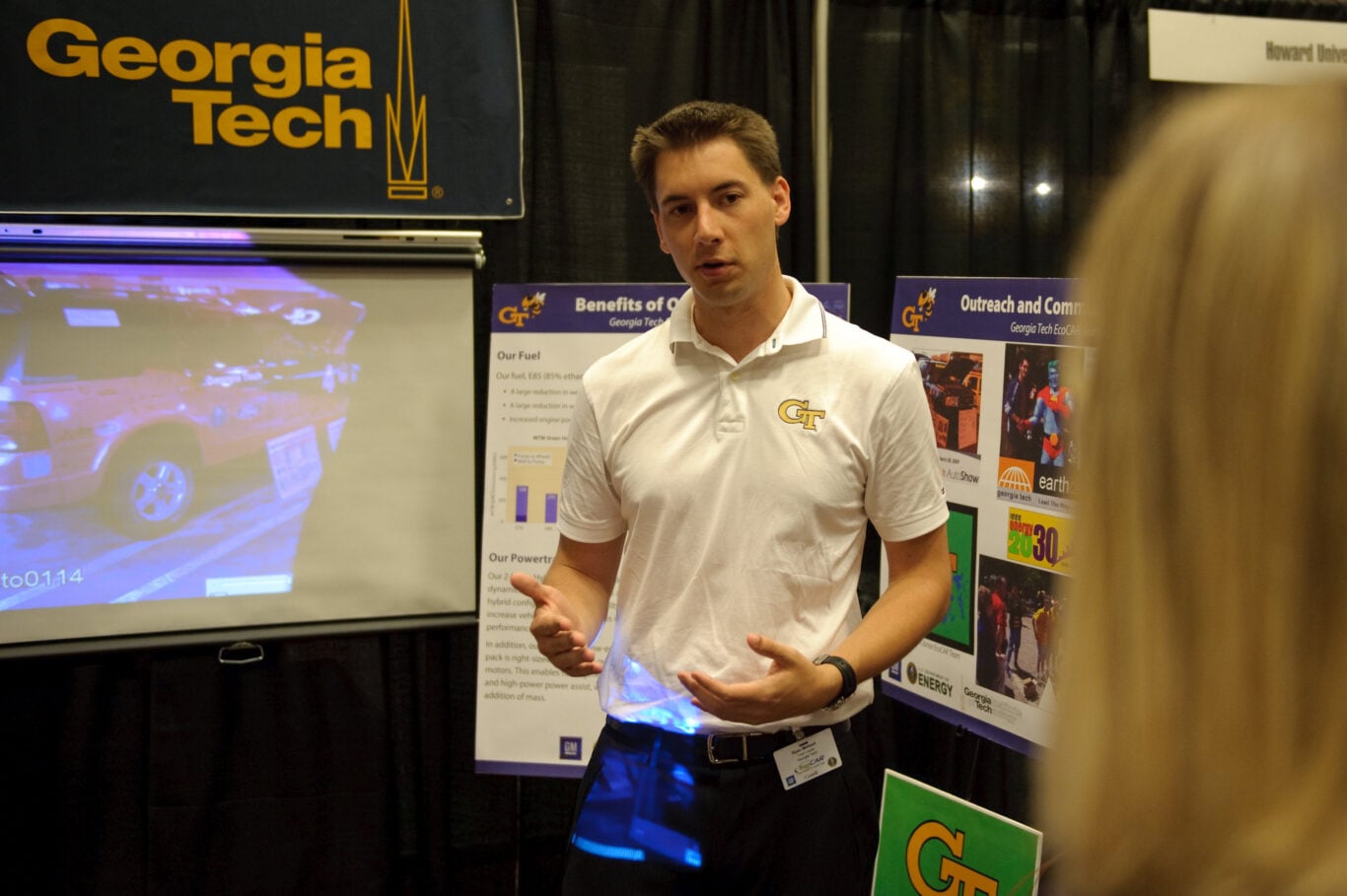
For Melsert, returning to an EcoCAR Fall Workshop 17 years after his first one was more than a trip down memory lane.
From a Georgia Tech grad student pursuing a master’s degree in mechanical engineering to founding his own company and becoming an EcoCAR Innovation Challenge sponsor, Melsert’s career has been shaped in significant ways by his experience with the Advanced Vehicle Technology Competitions (AVTCs).
During the session, Melsert reflected on the experience that helped shape his career and shared advice with students beginning their own EcoCAR journey.
Starting Something New
When Melsert saw an opportunity for Georgia Tech to participate in EcoCAR: The NeXT Challenge in 2009, he took it upon himself to make it happen. The university had not participated in an AVTC for several years, since the conclusion of FutureTruck, but Melsert saw an opportunity to bring the program back to campus.
Melsert gained support for applying to EcoCAR by taking the idea to Georgia Tech’s provost and president.
“I wrote the proposal and put the plan together for what we would do as a school, where the resources would go, and a lot about what our potential hybrid powertrain design would be,” Melsert said.
The university submitted an application, was accepted and began building its EcoCAR program.
Through EcoCAR, Melsert found himself doing much more than engineering. As one of the first members of the team, he helped recruit students and faculty, establish facilities and resources, and build the framework for the new program.
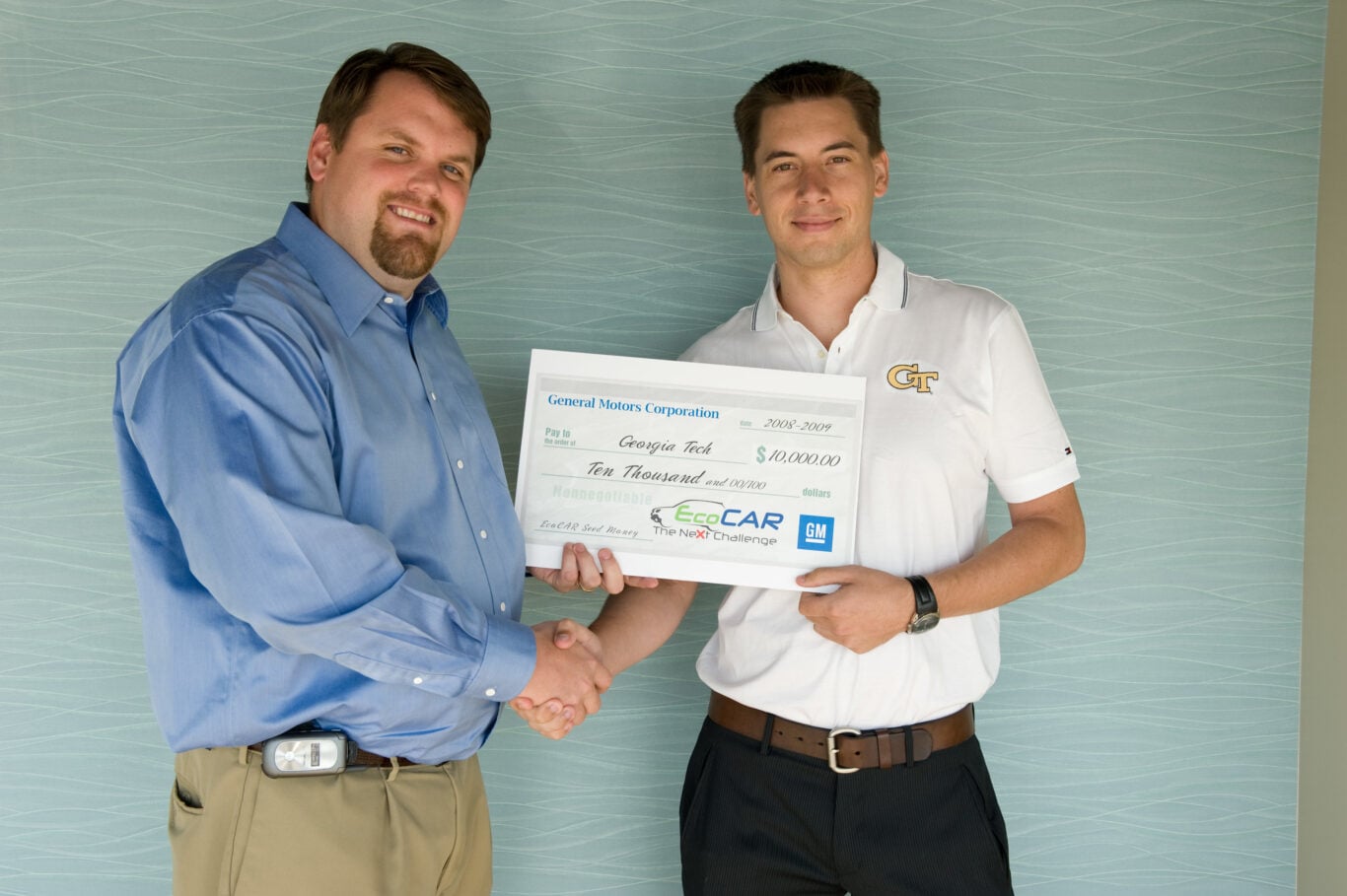
The experience also led him to pursue an MBA alongside his engineering degree, giving him an early opportunity to develop both technical and business skills.
From Research to Industry
After graduating, Melsert began his career in renewable energy research and in lithium manufacturing, where his work included research into lithium extraction from domestic sources and producing battery-grade material.
For Melsert, the experience provided an opportunity to see technologies move from early-stage research toward larger-scale applications.
“I think the fun part is actually right after that: building commercial-scale implementations,” Melsert said.
That next step took him to an OEM, where he worked on the development and scale-up of battery manufacturing.
The experience exposed him to the challenges of bringing emerging technologies into the real world and gave him a closer look at the gaps that can emerge as industries grow. That experience led Melsert to entrepreneurship.
Finding the Gap
While working in the battery industry, he saw a growing need for what would happen to batteries after they reached the end of their useful life.
“We founded ABTC a few years ago because we saw a void in the market for how to recover batteries at end of life, how to recycle them, and how to return them back into the field. So, we formed ABTC to design our own recycling system.”
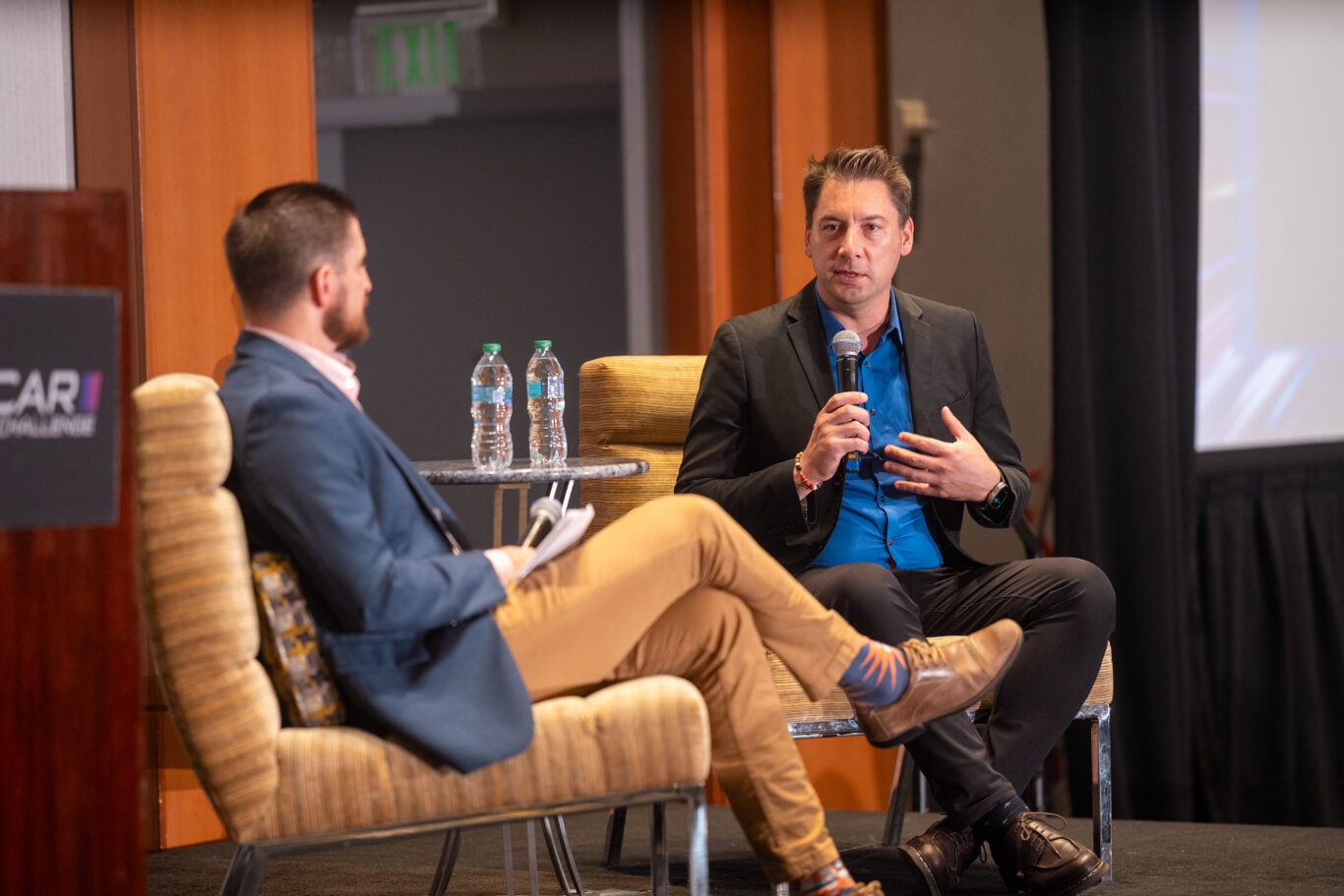
Today, ABTC is focused on sourcing critical battery materials through lithium-ion battery recycling and battery metal extraction technologies.
For Melsert, the connection between his EcoCAR experience and his entrepreneurial journey is direct.
“Working in a competition like this is why I chose to start a brand-new company,” he said. “I couldn’t have done this without the support of AVTC over the past few years.”
What Students Can Learn From the Journey
During the live session, students asked Melsert about everything from launching a startup and identifying market opportunities to building teams and navigating failure.
His advice consistently came back to one idea: look deeper.
When asked how students can identify opportunities for innovation, Melsert encouraged them to go beyond simply identifying a problem.
Melsert also encouraged students to take advantage of the access EcoCAR provides to industry experts, sponsors and technical resources.
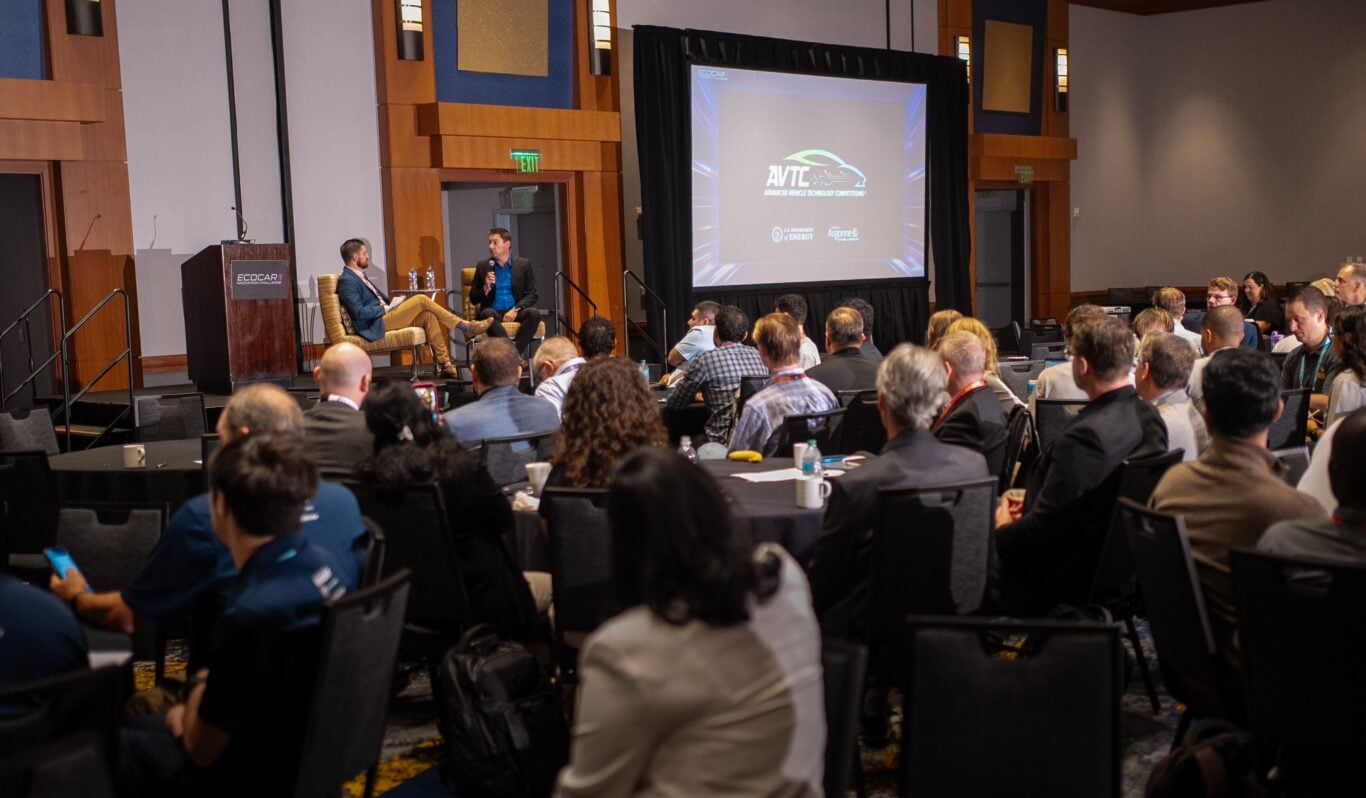
“With access to so many sponsors here, you can talk to actual engineers, people who manufacture components,” he said. “I would say go as deep as you can into the root cause of why there’s a void and how it’s happening.”
Building the Right Team
The lessons Melsert learned as an EcoCAR student also continue to influence how he leads his company today.
ABTC has grown from one employee to roughly 200, and Melsert told students that one of the most important lessons he has learned is the value of surrounding yourself with capable people.
“The more good people you have around you, it’s just a weight lifted off of you,” he said. “As you grow, if you have to hold everything yourself, you’re never going to have any balance. But if you bring on people who are capable, who you trust, and who have conviction and step in, that’s what lets you find balance and not have everything on your own shoulders,” he added.
That lesson applies just as much to student teams as it does to growing companies.
“When you get a core team, really put effort into keeping them year to year and keeping them engaged, to keep that momentum,” Melsert advised.
He also challenged students to think about the kind of teammate they want to be.
“It’s that same question: if I had this task again, would I want that person next to me to help me do it?” he said. “And again, make sure that when people ask that question about you, the answer is yes.”
You Never Really Leave EcoCAR
Melsert’s return to EcoCAR has come full circle. ABTC has recently signed on as a sponsor of the EcoCAR Innovation Challenge, giving Melsert the opportunity to support the next generation of students who are following a path similar to his own.
And when asked what he would tell his 2009 self if he could go back in time, his answer was simple.
“I think you already said it: that you’re never really going to leave EcoCAR.”
For the students beginning their own four-year EcoCAR journey, Melsert’s story is a reminder that the experience can extend far beyond the competition itself. The skills, relationships and problem-solving experience students build today can follow them into careers, companies and opportunities they may not yet be able to imagine.
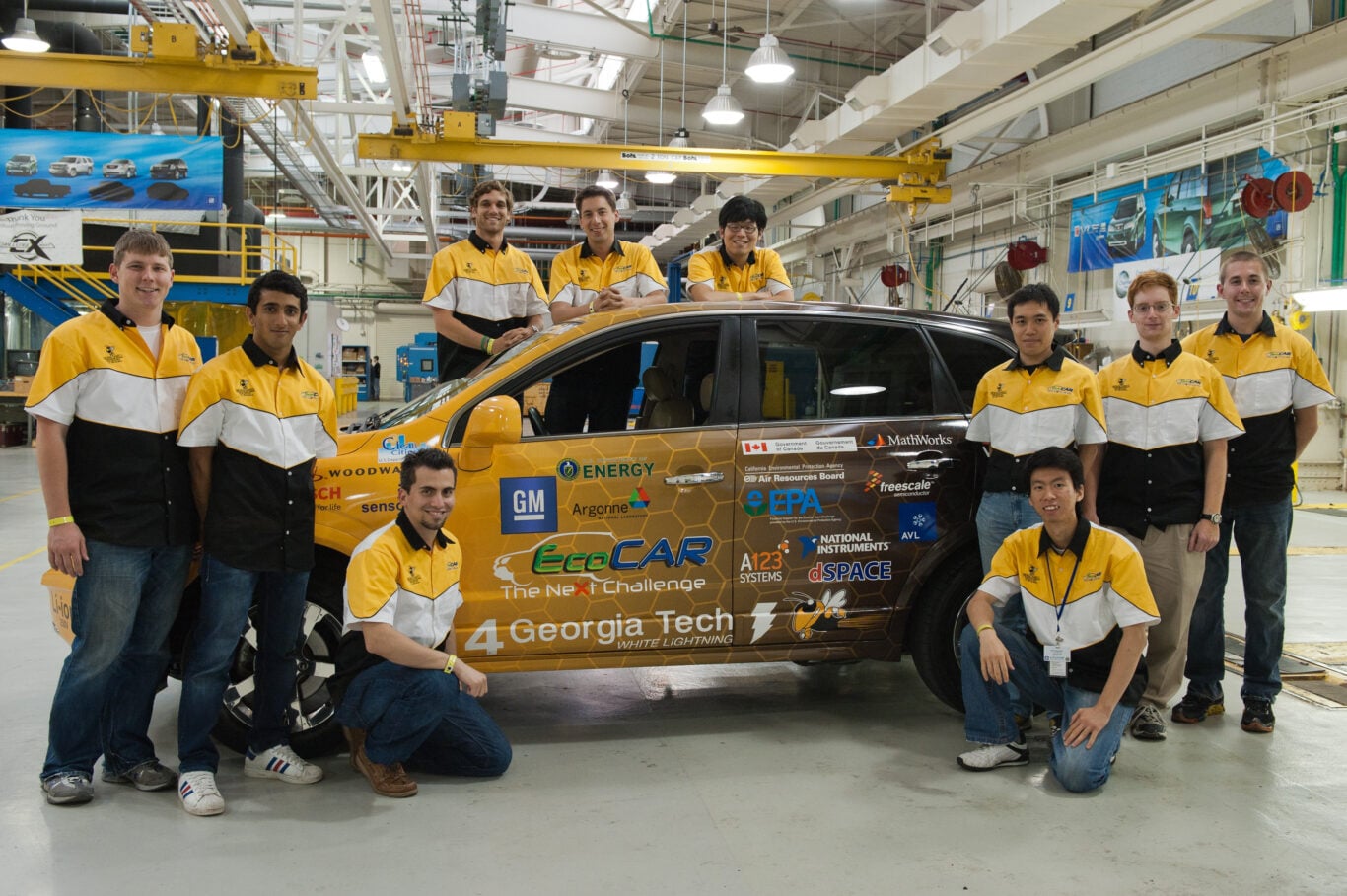
Seventeen years after joining his first AVTC competition, Melsert is back where it started, this time helping the next generation find their own path forward.