Written by: Isaiah Wrice
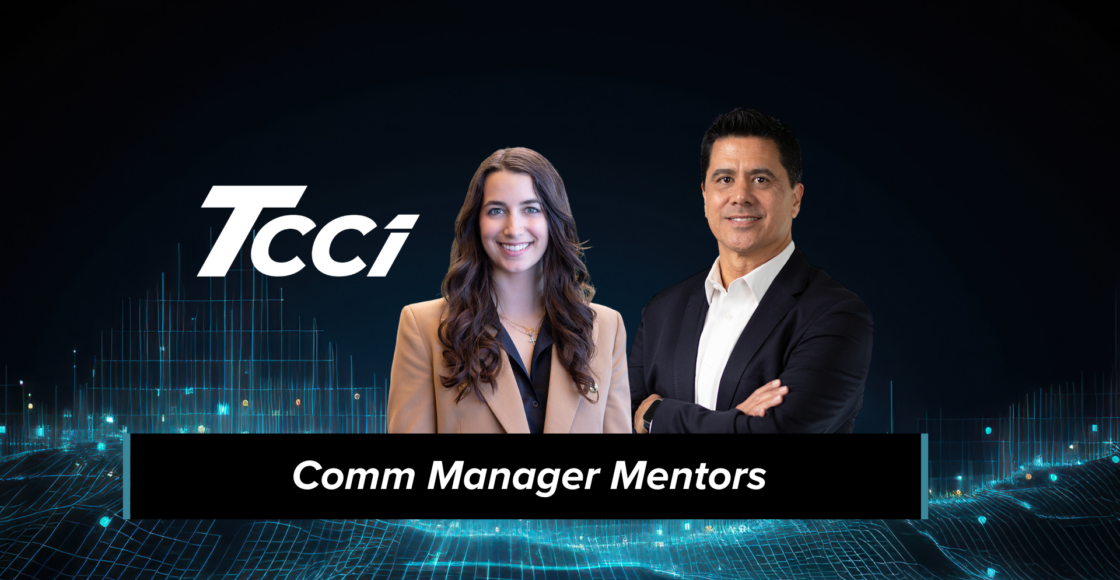
In the EcoCAR EV Challenge, innovative engineering is only part of what drives success. Equally critical is the ability to communicate why the work matters to sponsors, communities, and the broader public. This year, our EcoCAR Communications Managers are supported by two industry mentors who sit at the intersection of innovation, strategy, and storytelling: Nate Baguio and Claire Demirijian from TCCI, one of the challenge sponsors. Together, they bring experience translating complex concepts into real-world impact, as well as a commitment to helping our students do the same.
Mentorship Rooted in Advanced Mobility
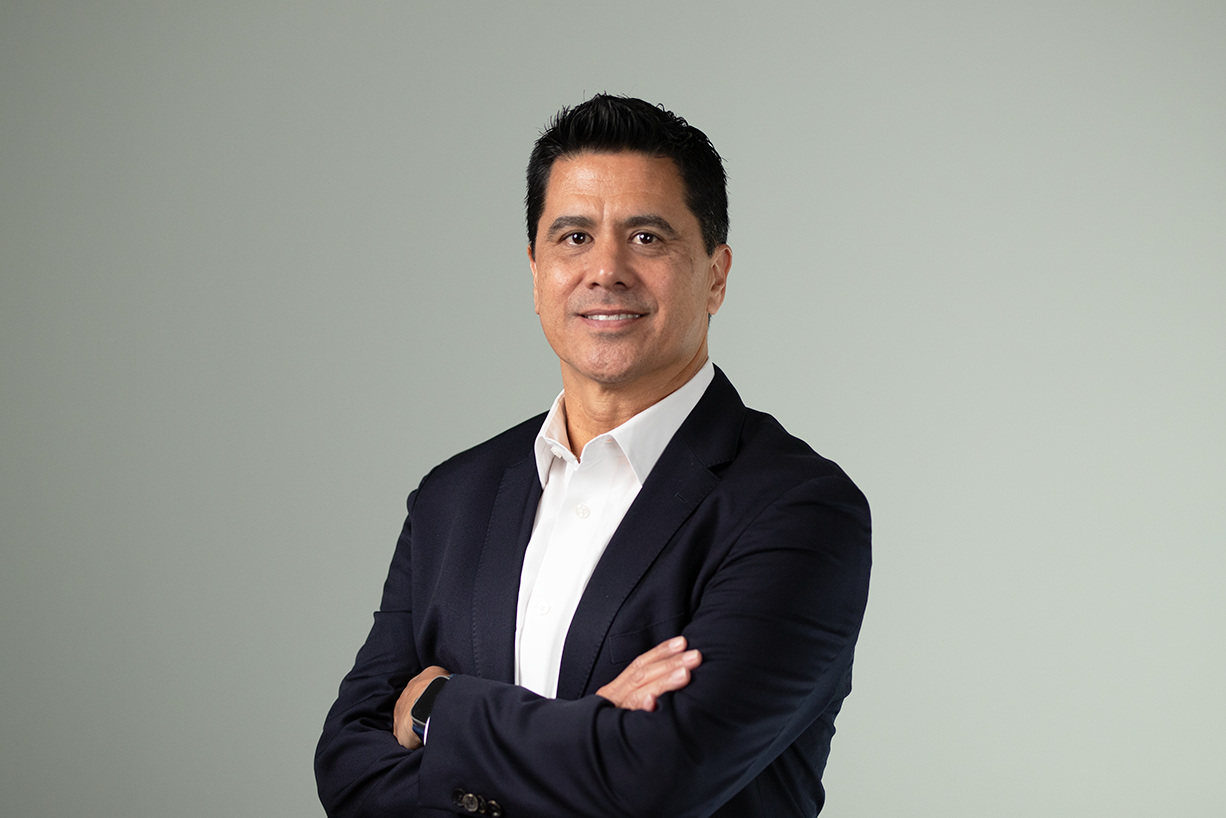
For Nate Baguio, mentorship in EcoCAR is a natural extension of professional and personal values that seek to advance transportation and public good. Beginning in the 1990s, Nate worked with compressed natural gas fleets and later played a role in advancing electric school buses through technology adoption and business development. This professional commitment extends into daily life as well. “I currently drive a Cadillac LYRIQ so I integrate advanced vehicle technology into my life and believe these things enhance the way that I live, my community, and the planet.”
So when he saw students advancing these principles through EcoCAR, he was all in. “When I went to the last EcoCAR event, and I saw they were taking apart Cadillac LYRIQs, I’m like ‘Okay, not my car guys,’ he joked, before emphasizing how exciting it was to watch students build the future of a vehicle he already loves.
Bridging Technical Work and Storytelling

Claire Demirjian, Senior Account Manager at TCCI, came to EcoCAR from a different perspective, but with the same motivation to bridge gaps and enhance storytelling. While not initially knowing about the competition, she says what drew her to being a mentor was “…recognizing a familiar challenge from my work, which is the gap between complex technical work and how it is communicated.” Coming from a role that connects engineers, purchasing teams, and non-technical stakeholders, she sees how great ideas can stall when people don’t understand the value.
Her goal is not to oversimplify technical work, but to translate it: “How do you not dumb it down, but change your explanation to relate to other people so that they have an understanding of your product?”
When Communication Becomes Critical to Innovation
Both mentors agree that communication is inseparable from technical success, especially in STEM fields that are packed with jargon that may only make sense to developers. Nate put it plainly: one of the most essential parts of innovation is connection. “Teams must be able to communicate why the work matters, what it took to achieve, and why anyone else should care.” Claire added, “Teams must step into the end user’s perspective, especially when priorities can vary by audience.” They touched on how it is imperative to balance all these factors in order to tailor a message that really lands with audiences.
Reaching Multiple Audiences with One Innovation
Nate also highlighted how communication has changed: “If you say something in today’s world, you’re talking to the planet.” And because digital platforms now return real performance data: views, shares, engagement, he argues that communication is becoming as technical as engineering itself.
That reality carries a lesson for innovative projects: you’re rarely speaking to one audience. Using electric school buses as an example, Nate described the many stakeholders involved: parents, school districts, communities, legislators, and funders, each with different goals. “You can’t have a single message presented in a single way,” he said. Progress depends on audience awareness, adaptability, and humility.
Storytelling, Branding, and Building Trust in Industry
Claire brings these ideas to life through the story of TCCI itself. When the company was founded in the late 1980s, it entered a competitive supplier market without a clear brand or identity.
Rather than trying to compete everywhere, TCCI identified a gap: commercial vehicles that required low-volume, highly durable, and customizable solutions. By positioning itself as a problem-solver for overlooked needs, the company built long-term partnerships rooted in trust and consistent delivery. “Our brand was built by solving problems others overlooked,” Claire explains.
For students, the lesson is clear. Strong storytelling and branding are about clearly articulating value, understanding customer needs, and aligning solutions with real-world challenges.
The Impact of Mentorship on the Next Generation
For both mentors, the most rewarding part of EcoCAR involvement is the students themselves. Nate credits mentorship as a defining force in his own career and personal fulfillment, making the opportunity to give back especially meaningful. Claire points to the dedication she sees across EcoCAR teams—from the technical work to the social media storytelling and outreach efforts. Watching students commit fully and seeing their work come to life has been a source of pride and inspiration. “Seeing students care this much and seeing the work come to life is incredibly rewarding,” she says.
Through mentors like Nate Baguio and Claire Demirjian, EcoCAR continues to demonstrate that innovation is not just about building advanced vehicles, but about preparing students to lead, communicate, and create impact long after the competition ends.