Written by: Natalia Alvarez Rodriguez
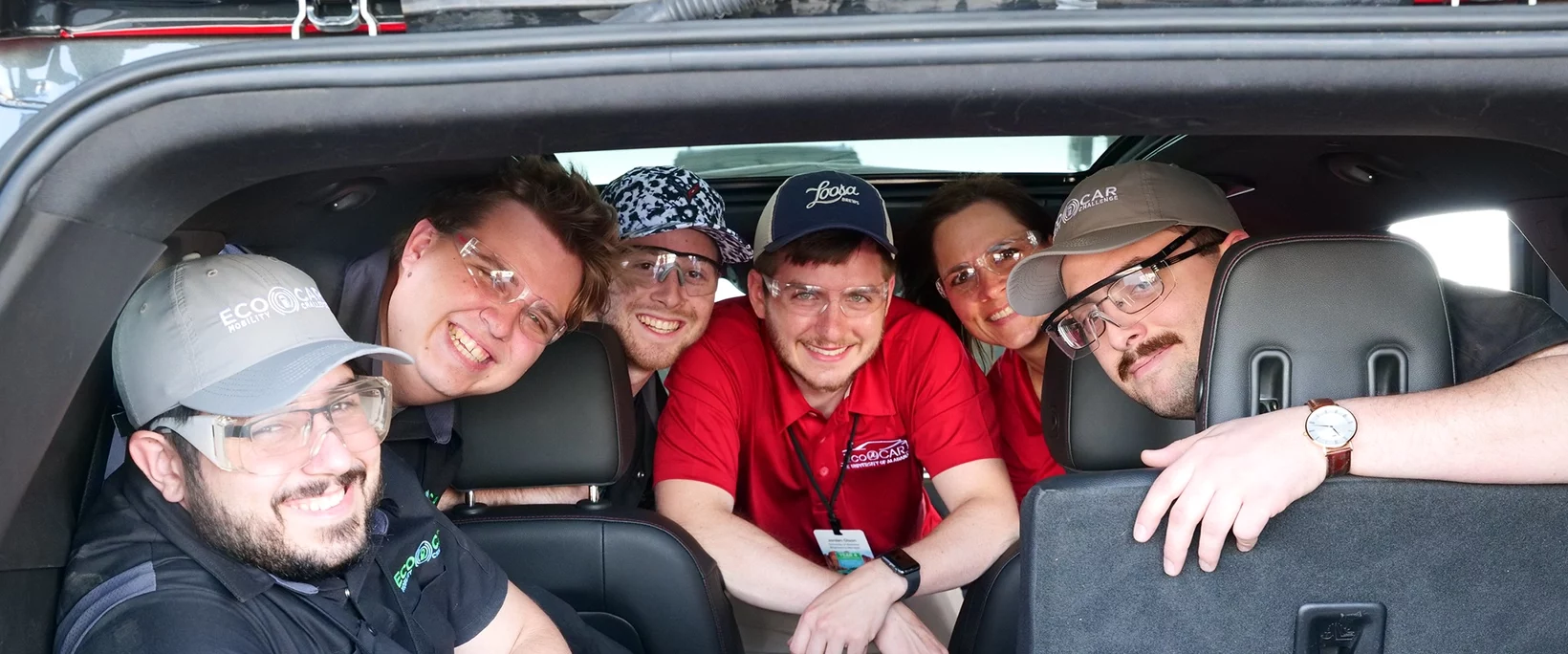
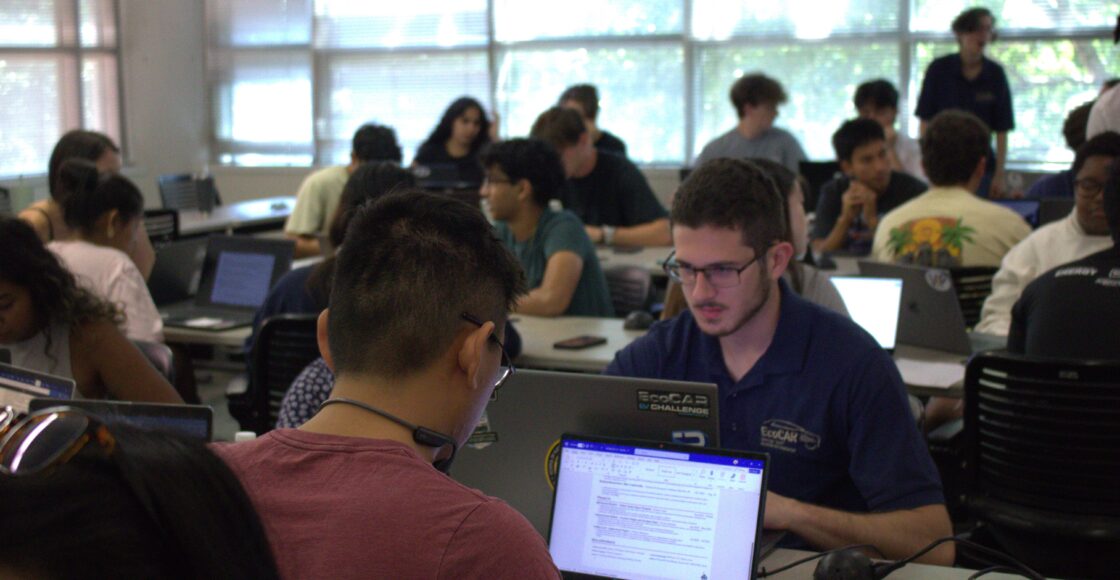
The Georgia Tech EcoCAR EV Challenge team functions as more than just a club; it also operates as a class. The team takes pride in offering super-curricular experiences that give students the opportunity to interact with industry professionals, use advanced tools, consistently engage in teamwork, and work toward meaningful goals that extend beyond the classroom—all while earning class credit.
New team member Maliq Sims, who recently joined the SDI subteam, shared that one of his favorite aspects of EcoCAR is that it “has exposed [him] to learning how to CAD on Siemens NX much better, and [he has] been able to talk about [his] experience on the team at multiple interviews and talks with recruiters.”
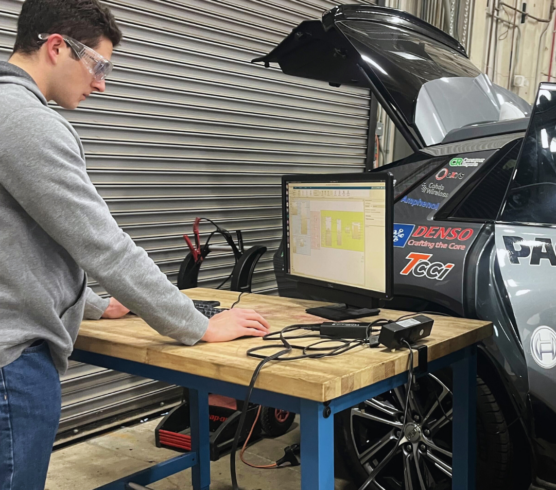
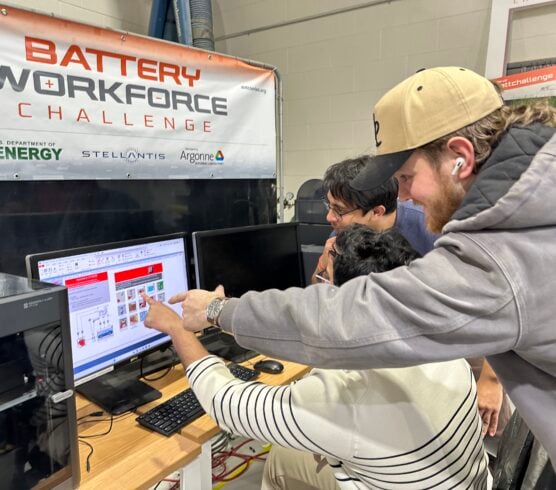
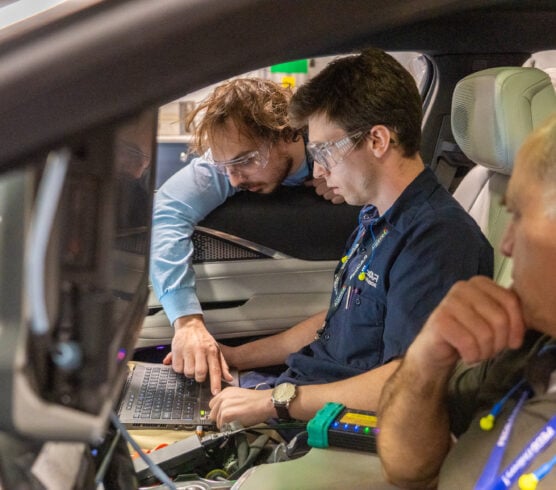
The team works diligently to ensure the class structure does not diminish the hands-on, high-impact nature of the experience by reducing it to grades and assignments. Coursework and team meetings are purposefully designed to recognize and reward students who demonstrate meaningful engagement in the practical, collaborative work that defines the EcoCAR program.
Grades are designed to reflect active participation, not just written work. For example:
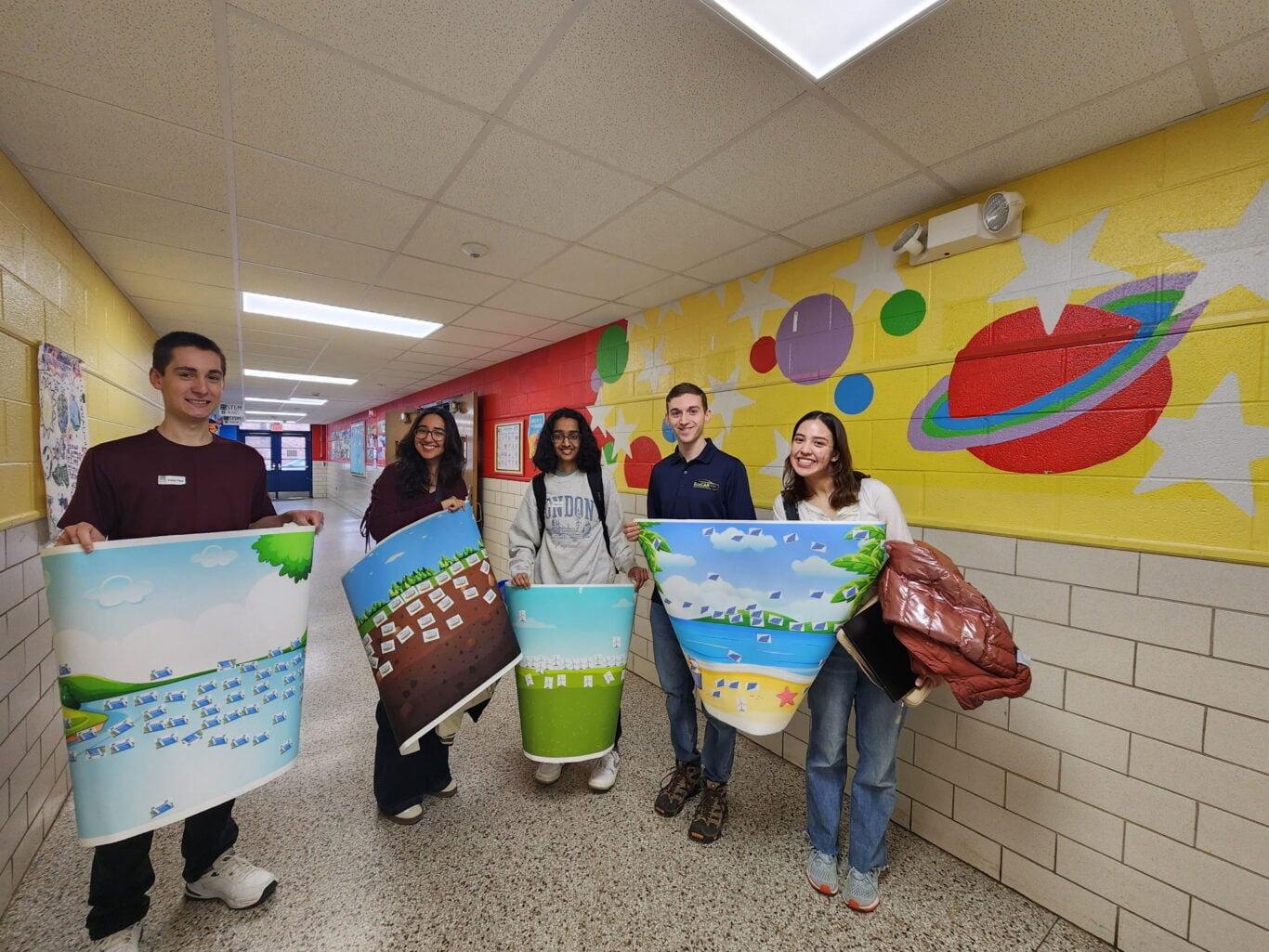
- Shop and outreach attendance are factored into students’ grades, ensuring they engage with all aspects of the team’s work.
- Students’ finals are based on presenting the culmination of the projects they focused on for the majority of the semester.
- Sprint reports are the main graded assignment students turn in. These are brief updates on progress on their projects, which helps team leads track effort without shifting focus away from the real goal: building skills, solving problems, and contributing directly to the project.
The EcoCAR course structure ensures that the majority of student effort is dedicated to hands-on learning. Rather than focusing solely on traditional reports or classroom-based research, the program emphasizes practical application, encouraging students to learn through real-world problem solving, iteration, and mastery of advanced tools.
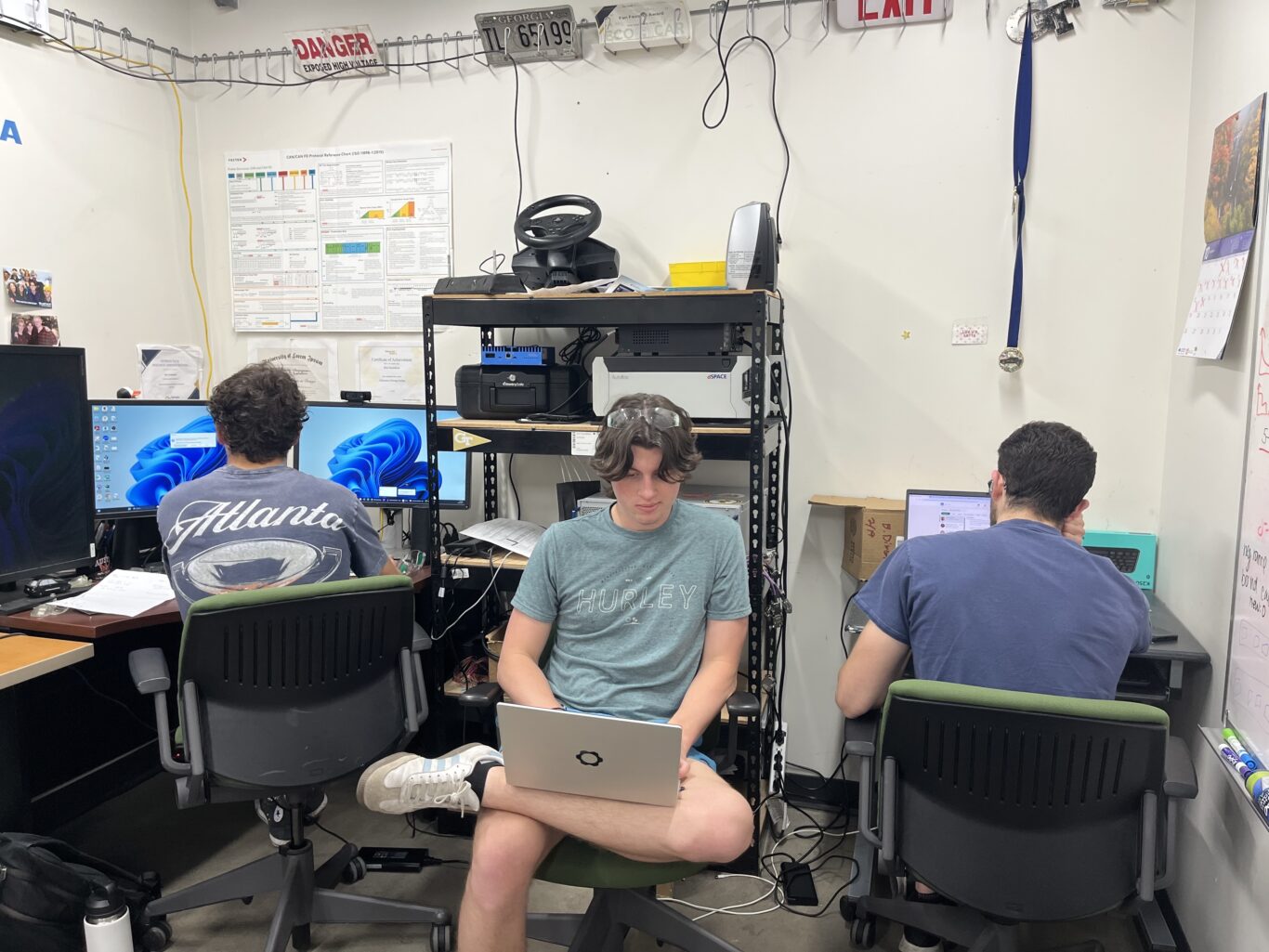
Providing students with tangible, real-world experience while also awarding academic credit is central to the team’s educational mission. Experiential learning is viewed as a critical component of student development, equipping participants with the technical expertise, resilience, and collaborative skills necessary for professional success. While many students do not gain access to industry-level tools until internships or full-time employment, the Georgia Tech EcoCAR program bridges this gap by making the classroom experience as immersive and applied as possible.
Classroom instruction is primarily delivered through weekly all-team meetings, which address both technical and professional development topics, including the fundamentals of working on electric vehicles and resume preparation. These sessions are designed to enhance students’ super-curricular experience by providing insights derived directly from industry knowledge and practice.
For example, this year’s resume review session featured guidance from Ed Argalas, a General Motors mentor with extensive experience in the automotive industry. Many students aspire to careers in automotive engineering, and the program takes pride in connecting them with industry experts who provide both practical and professional guidance. As team member Maliq Sims noted, “I edited my resume to include more key words and mention tools EcoCAR taught me about that I had not thought of.”
Through these efforts, the Georgia Tech EcoCAR program continues to enrich students’ classroom and extracurricular experiences, preparing the emerging workforce for success in the automotive and advanced mobility industries.