Written by: Mitchell Fong
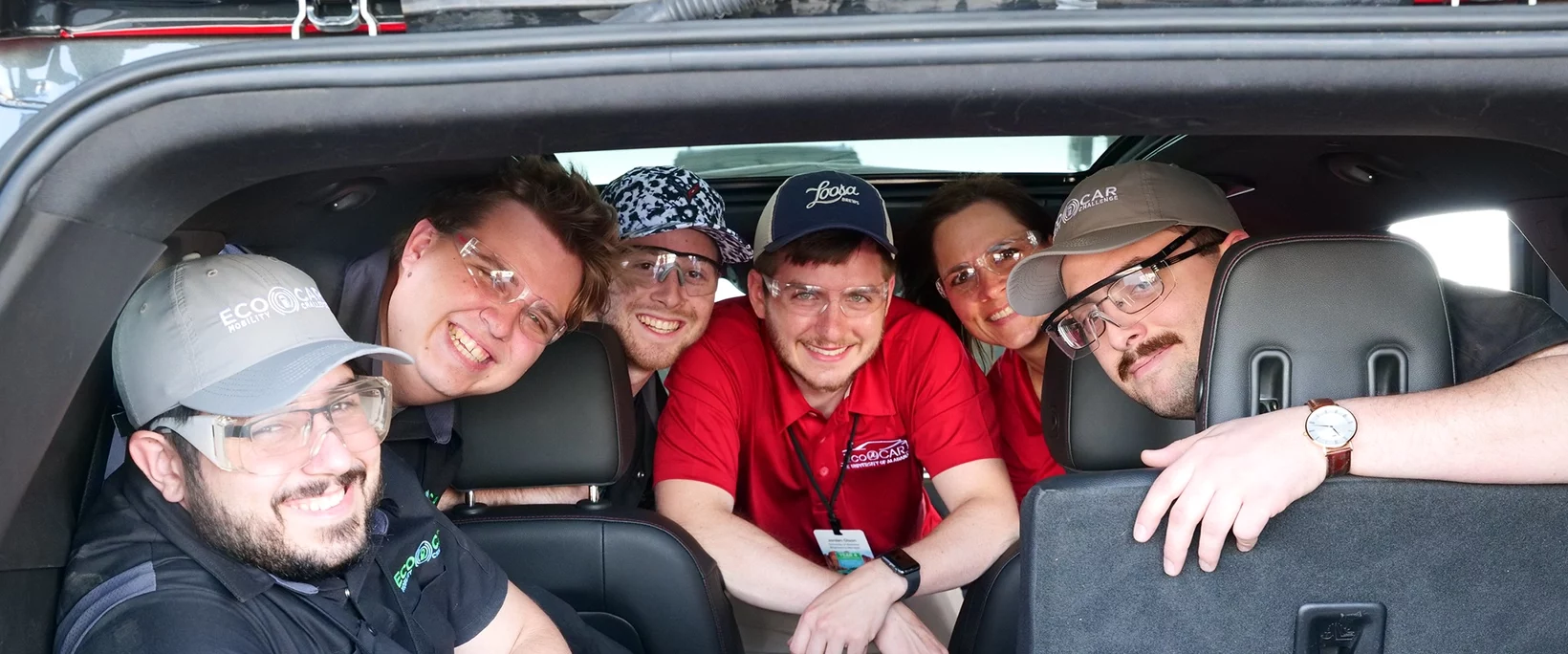
As industry evolves, the opportunity to better connect classroom learning with real-world application has never been greater. For engineering students, hands-on experiences that complement academic theory can significantly strengthen their transition from academia to industry. Programs like EcoCAR play a critical role in bridging academic knowledge with professional practice to help develop confident, industry-ready graduates.
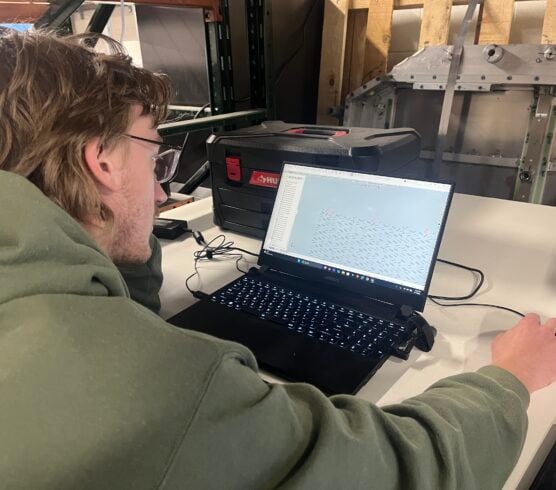
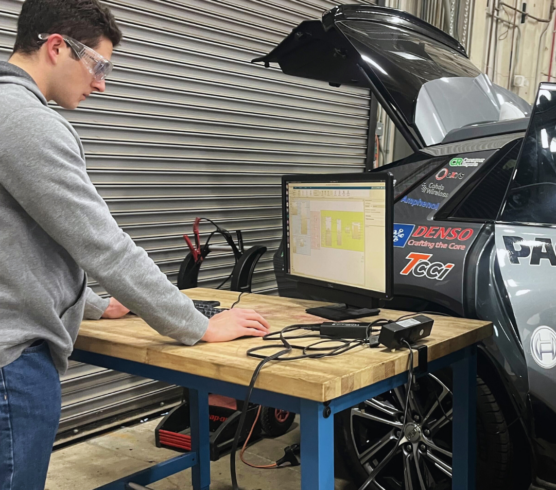
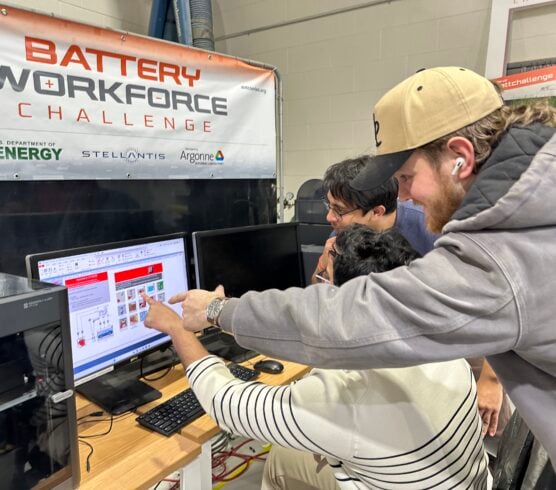
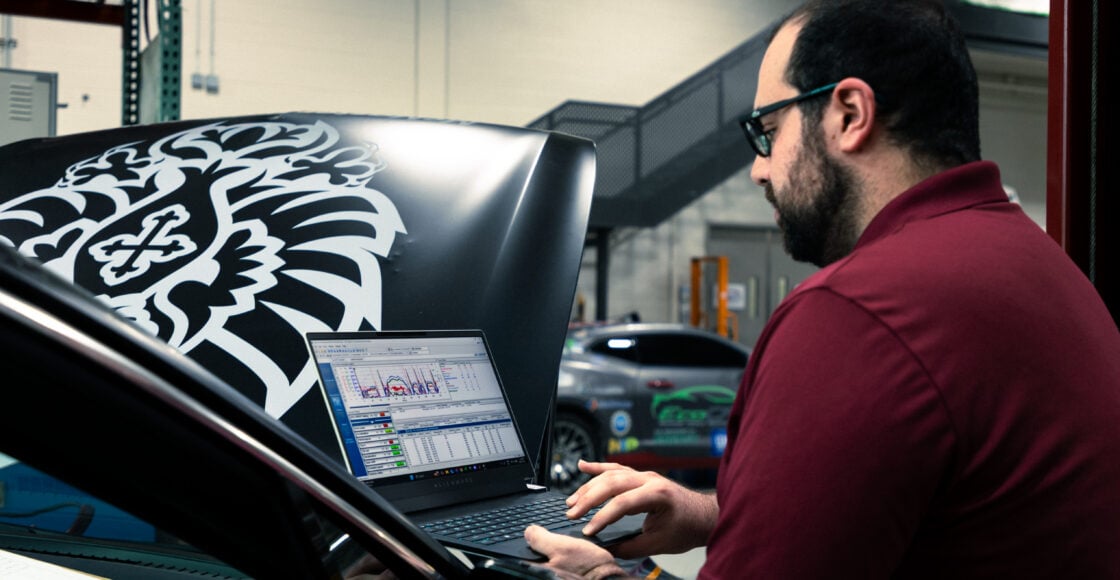
This connection between theory and practice recently came to life at McMaster University through the graduate course ECE 730: Control of Adjustable Speed Drives. Two McMaster EcoCAR PhD students, Vincent Lombardi (Project Manager) and Lucas Rajotte (Propulsion, Controls, and Modeling GRA), experienced this integration firsthand. Together, they developed a system that allows users to simulate their calculations and test them using AVL Drive, enabling performance quantification and data comparison—just like in the automotive industry.
Through this integration, students gain more than just theoretical understanding. They get to test and validate their models with real data, the use of this industry standard software prepares EcoCAR and McMaster students alike for the workforce. Throughout this blog, you will come to learn some of the ways students utilize AVL Drive to prepare themselves for the next steps in their professional journey.
About AVL Drive
AVL has been a proud sponsor of the AVTC EcoCAR EV Challenge for several years and serves as one of the program’s main evaluation tools. The software transforms the qualitative aspects of a vehicle’s driving experience—like ride comfort, handling, and response—into quantitative metrics. These metrics are measured on a universal scale of 1–10, allowing for standardized comparisons across all tests.
For EcoCAR, this means having a consistent and objective way to assess performance. For students, it means direct exposure to the same professional-grade software and evaluation techniques used throughout the automotive industry.
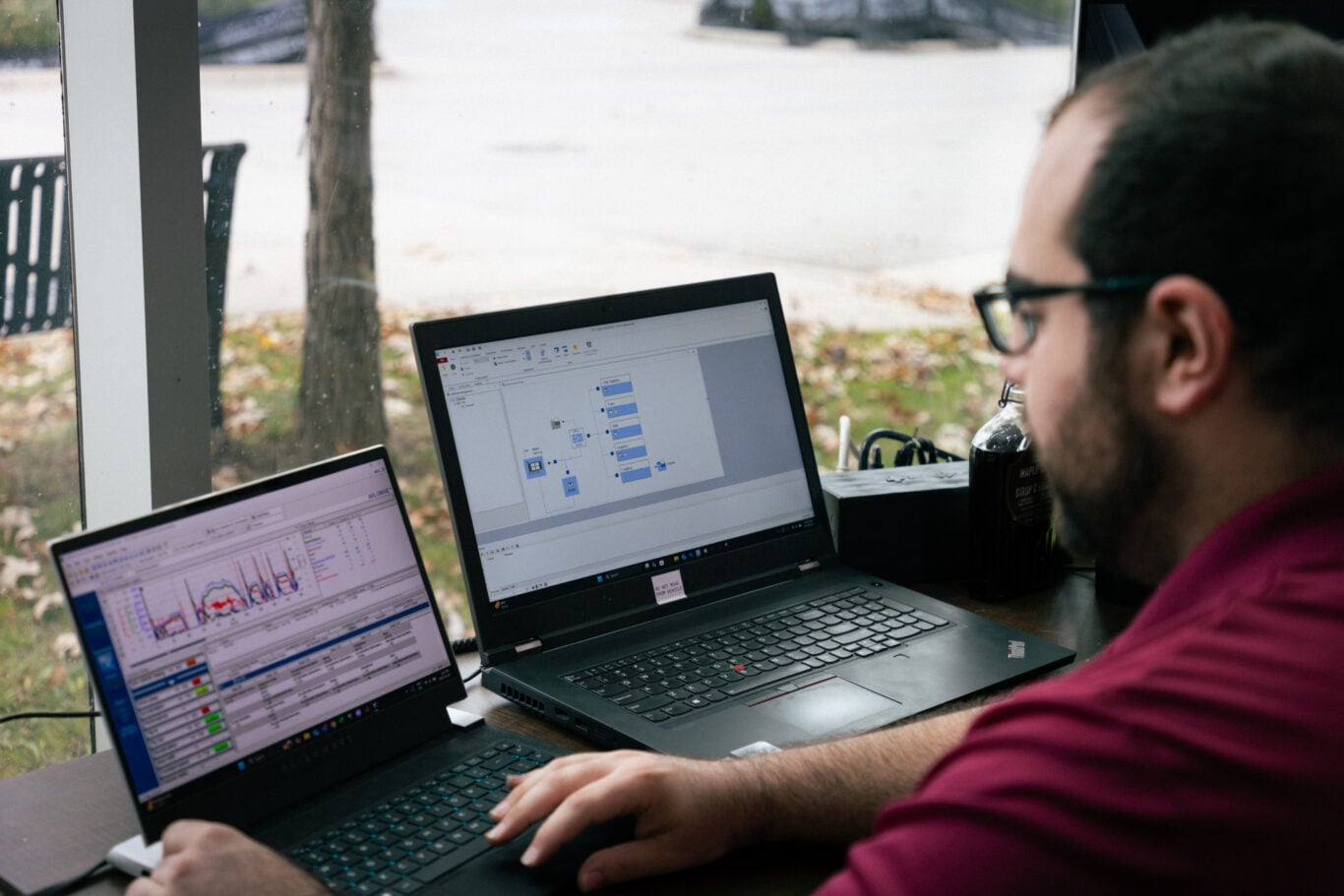
“Participation in the AVL University Partnership Program enables the education of students at the highest possible standards based on AVL’s simulation, virtualization, and data analysis tools.” – AVL
Integrating Industry Tools Into the Classroom
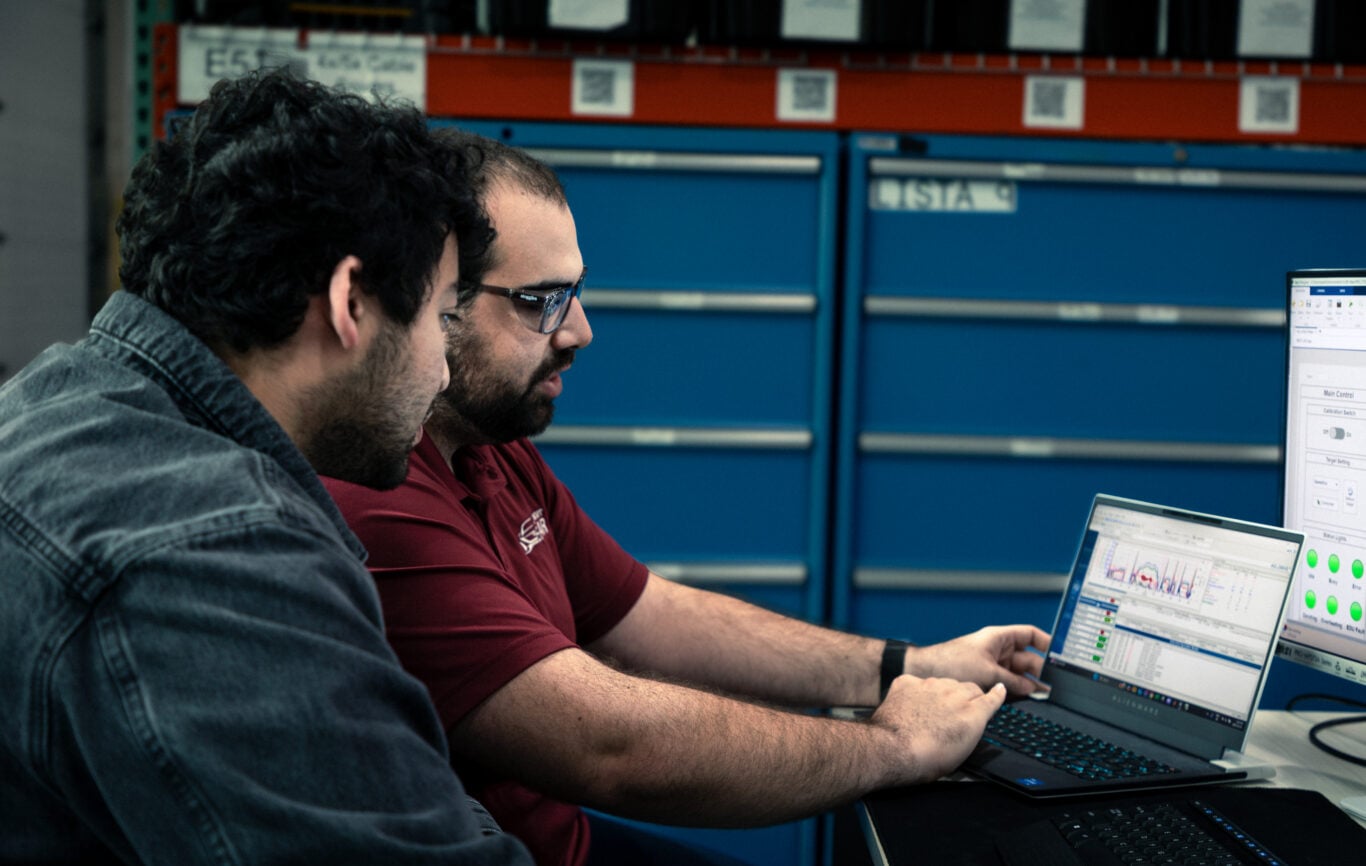
Within this McMaster University graduate course, the AVL Drive project brings theory and application together. Students model an electric motor and its voltage source inverter, then develop a script to convert logged data into Controller Area Network (CAN) logs—making it compatible with AVL Drive and its range of performance tests.
This process encourages students to move beyond theoretical modeling and into validation, using the same testing standards that practicing engineers rely on. It’s a shift that emphasizes real-world relevance in technical learning.
As Lucas Rajotte explains:
“Many students never get to see the bigger picture of what the work done in class and in labs means, and how it applies to the practical world. The more opportunities there are to see what is being done in industry, the better equipped our graduating students will be as they enter the workforce.”
Why This Matters
As the automotive industry continues to evolve, opportunities like this play an essential role in preparing the next generation of engineers. Through tools like AVL Drive, the EcoCAR EV Challenge not only enhances vehicle testing within the competition but also gives students the chance to experience the standards and technologies that define the industry today.
Integrating tools like these into education empowers students to graduate with both technical mastery and a clear understanding of how their work connects to the world beyond the classroom.
Looking Forward
The success of this initiative at McMaster highlights the impact of bringing industry tools into academic spaces. Programs like EcoCAR demonstrate what’s possible when universities and industry partners work together to close the gap between theory and application.
As more institutions look to prepare students for the future of mobility, collaborations like this should continue to grow—ensuring that education doesn’t just teach what engineers need to know, but also how they’ll use it to shape what comes next.
To learn more about how the McMaster EcoCAR Team works or if you are interested in joining, visit us at https://www.macecocar.ca/.