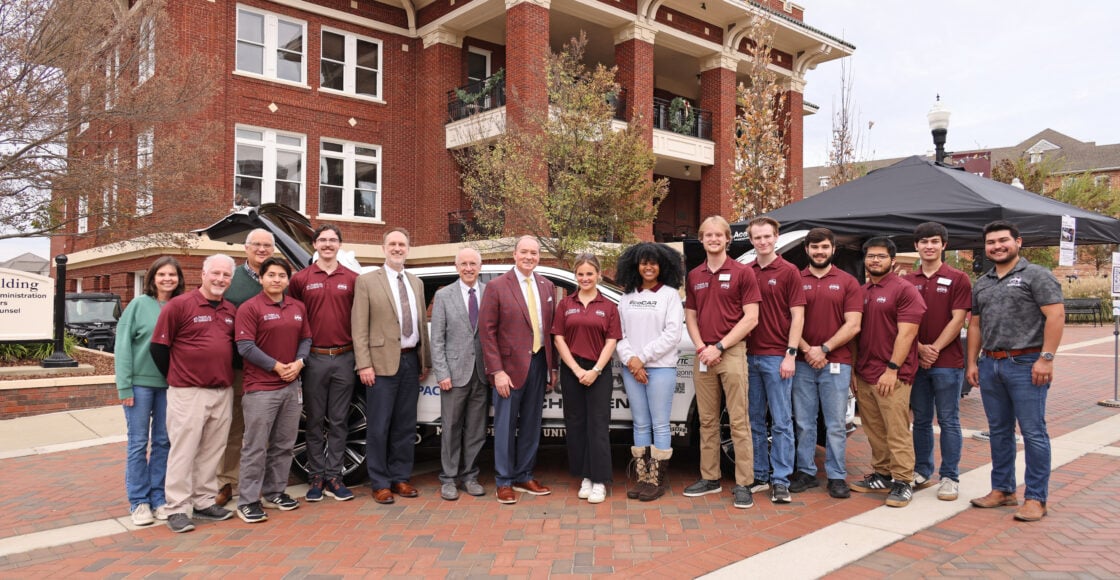
The EcoCAR EV Challenge is more than a vehicle competition; it is a professional training ground that shapes students into industry-ready engineers and leaders. Through hands-on technical development and structured project management, students gain both advanced engineering capabilities and the soft skills necessary to thrive in a fast-paced, team-driven environment.
One of the most valuable technical skills students develop is the ability to clearly communicate their work to audiences at any level. As Mississippi State University EcoCAR Team Engineering Manager, Matthew Riggsbee, explains, “The most valuable skill that students gain from working on EcoCAR is being able to communicate the work being done to people at any level.” Team members regularly explain complex vehicle systems to individuals who may know little about vehicle technology, while also presenting detailed technical information to industry experts and faculty advisors. This dual-level communication strengthens both technical understanding and professional confidence.
Working directly with real vehicle hardware and software significantly accelerates learning compared to traditional coursework. “Working on the real hardware and software accelerates learning due to immediate feedback from the system,” Matthew shares. While many academic projects rely heavily on simulations, EcoCAR allows students to implement their designs in a real-world vehicle platform. This exposure often reveals issues that would not appear in a simulation, teaching students to diagnose problems using real data and system behavior.
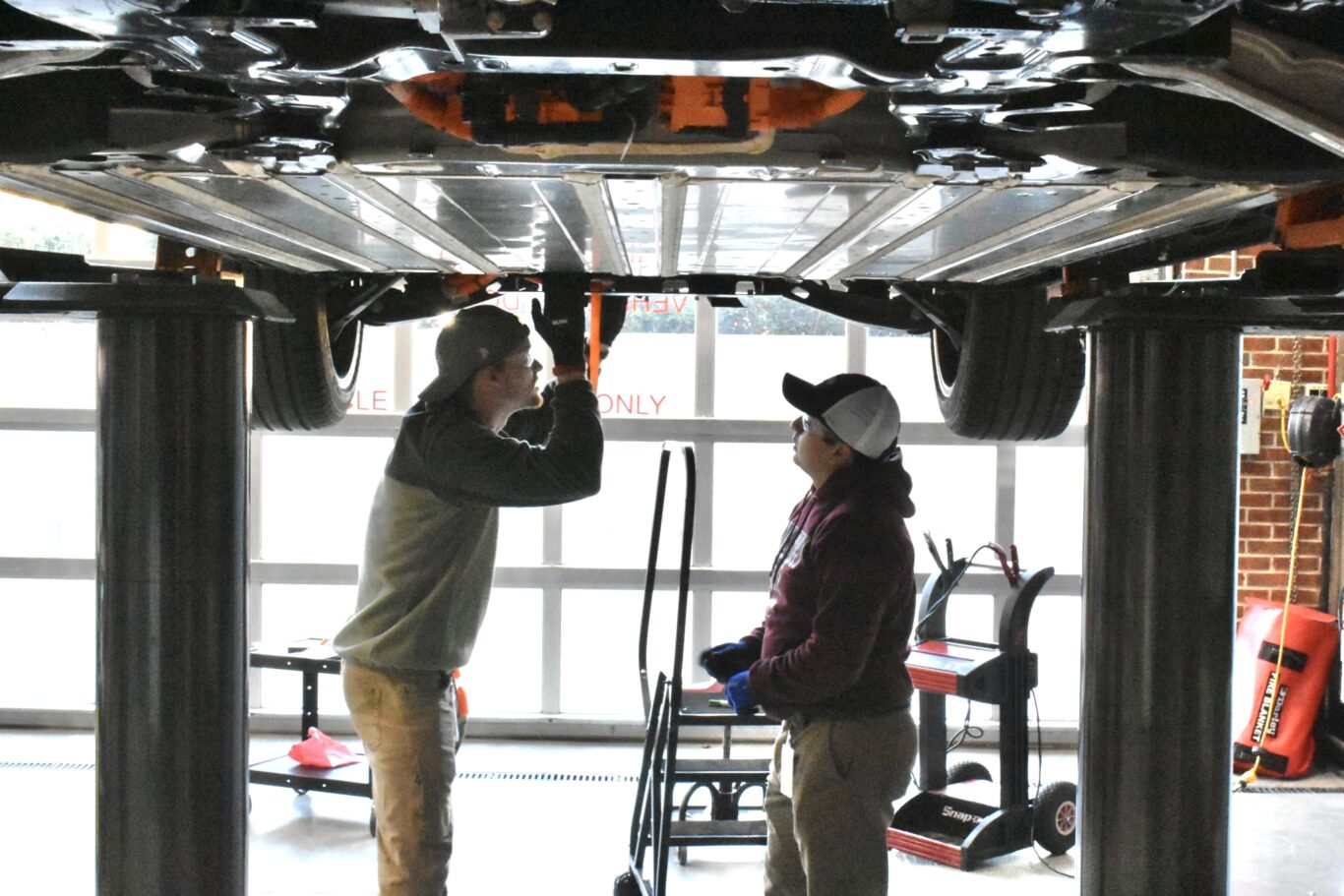
The team has faced technically demanding challenges, including a startup and shutdown issue that prevented the vehicle from successfully restarting after a key cycle. Through investigation, students identified a misunderstanding in properly shutting down the inverters. Matthew noted that this experience reinforced “the importance of investigating all the data and working with others to get multiple inputs on the issue.” As students grow within the program, a noticeable mindset shift occurs; they begin to take initiative to solve problems independently.
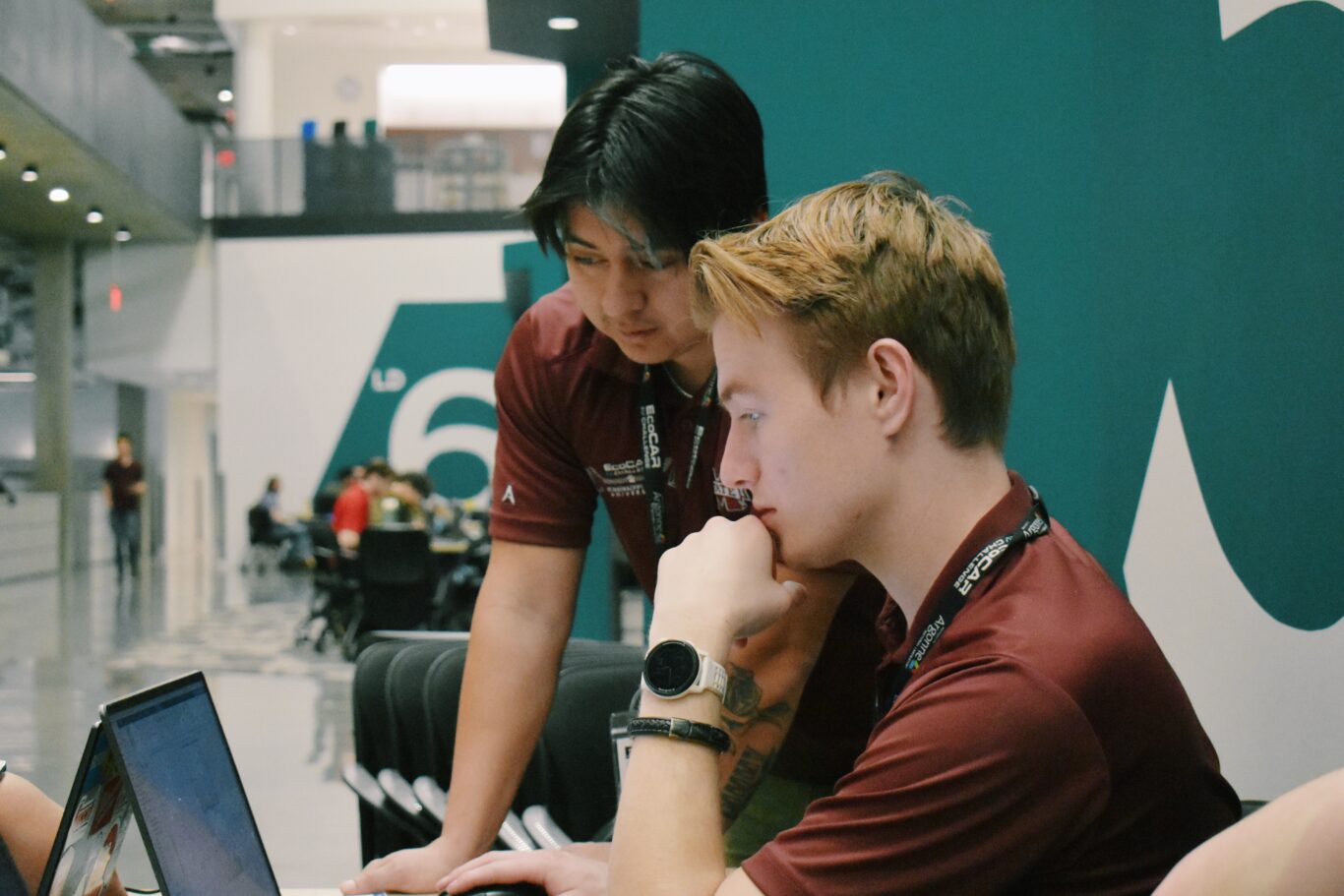
Beyond technical growth, EcoCAR develops critical professional skills. Project Manager, Agustin Troncoso, emphasizes that “the most important soft skill EcoCAR students develop is professional communication.” Students learn to explain technical concepts clearly, collaborate across subteams, and communicate effectively with sponsors, faculty, and peers. Managing deadlines, sponsor expectations, and competition deliverables builds accountability, organization, and professionalism. Agustin explains that EcoCAR teaches students that engineering “isn’t just about design, but rather about execution, coordination, and delivering on commitments.”
The team also operates in a structure that closely mirrors real-world industry operations. With formal design reviews, structured timelines, testing documentation, and cross-functional collaboration, students experience what it means to be part of a professional engineering organization. When the team faced drivetrain reliability challenges, strong communication and leadership ensured alignment across subteams, documented risks, and enabled quick decision-making that led to both a backup axle solution and a custom-manufactured alternative.
In one sentence, Agustin summarizes the outcome best: “EcoCAR develops engineers who can lead, communicate, and deliver real-world solutions in a fast-paced, team-driven environment.” By combining industry-level technical exposure with leadership and communication development, EcoCAR sets its students apart long before they graduate.