Written by: Semaria Kebede UC Riverside EcoCAR Communications Manager
What does it take to go from building a competition vehicle as a student to shaping real-world automotive software at General Motors, and then return to mentor the next generation of engineers? For Patrick DiGioacchino, that journey started in the Advanced Vehicle Technology Competitions (AVTCs), where hands-on integration, leadership, and mentorship became more than a résumé line and became a career foundation.
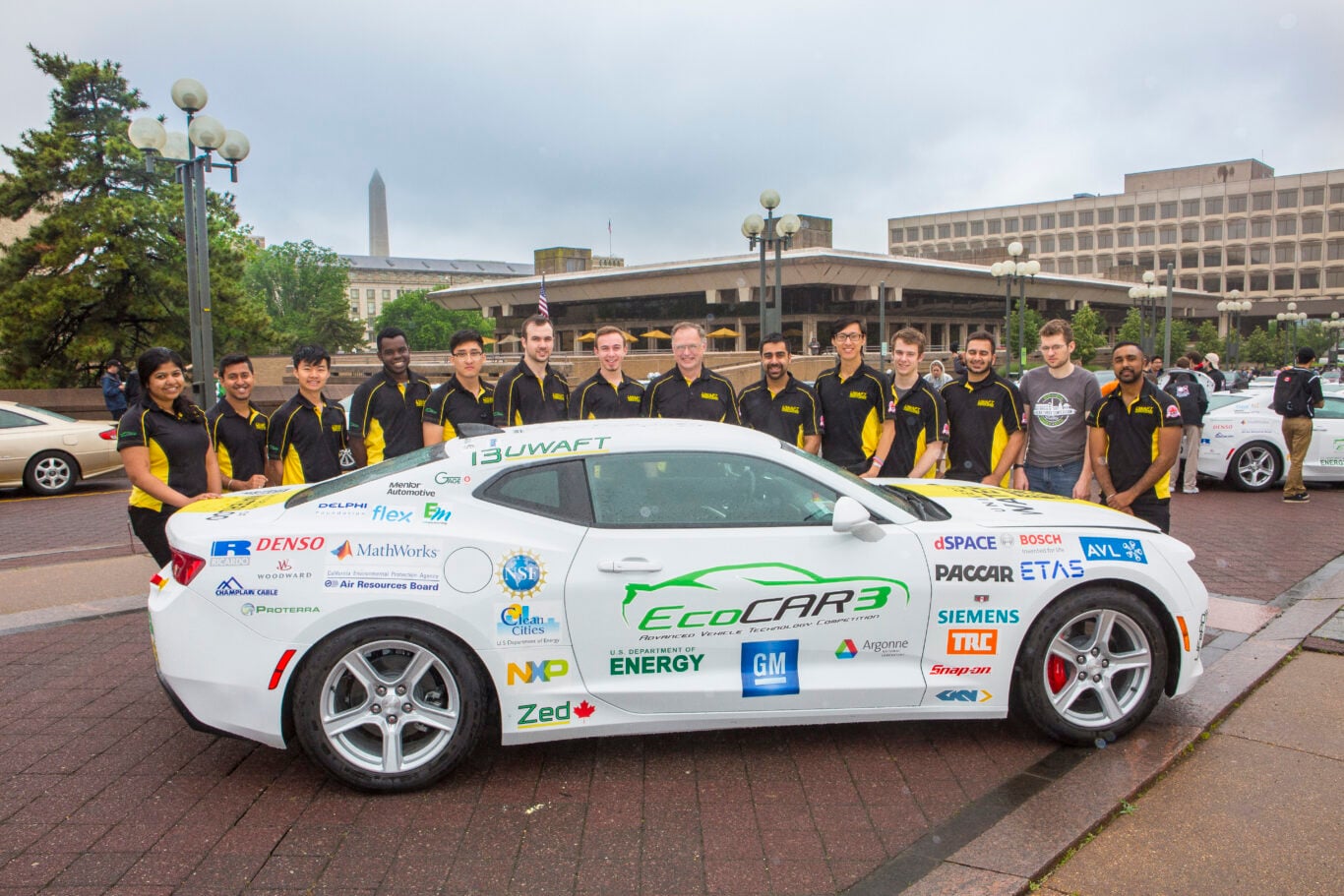
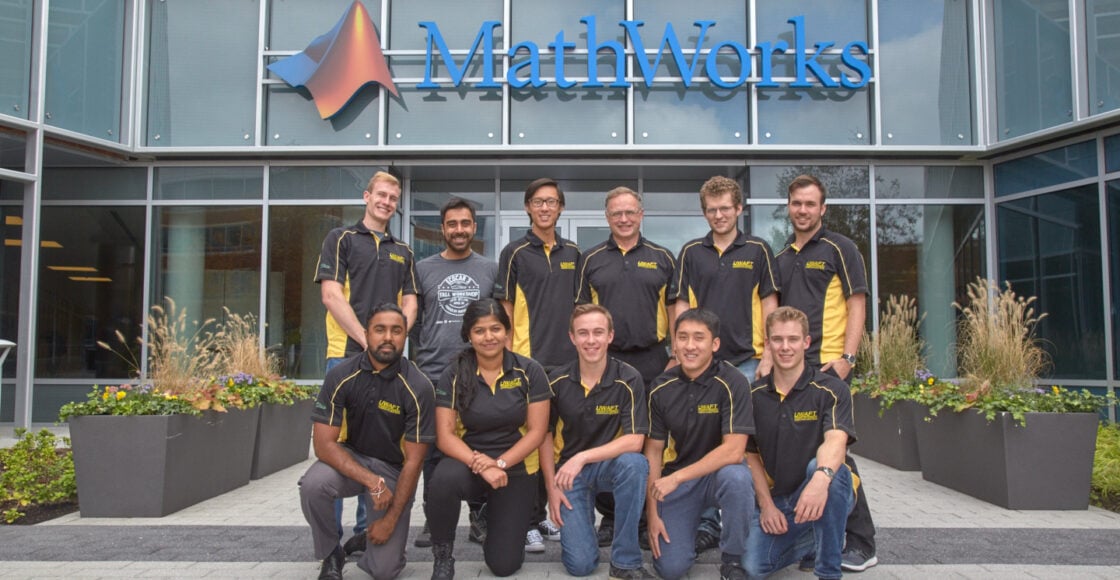
Patrick participated in the EcoCAR 3 series as part of the University of Waterloo team. He joined near the end of his undergraduate years and continued through graduate school, becoming Mechanical Lead and later stepping into an Engineering Manager role. At the time, the technical structure looked different than many teams today. Patrick described it as primarily mechanical, controls, and electrical, with the autonomy-focused component “pretty small at the time.” Still, the work was anything but simple.
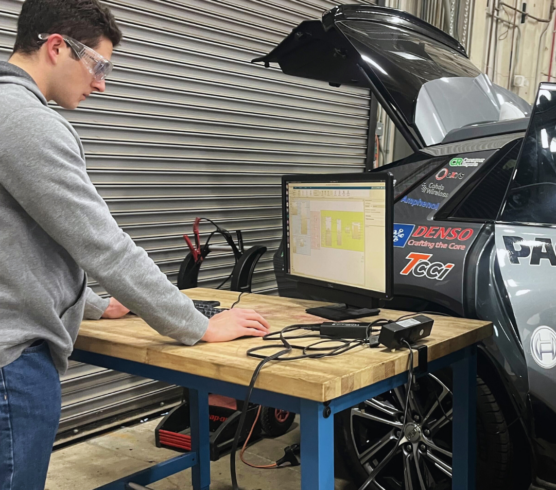
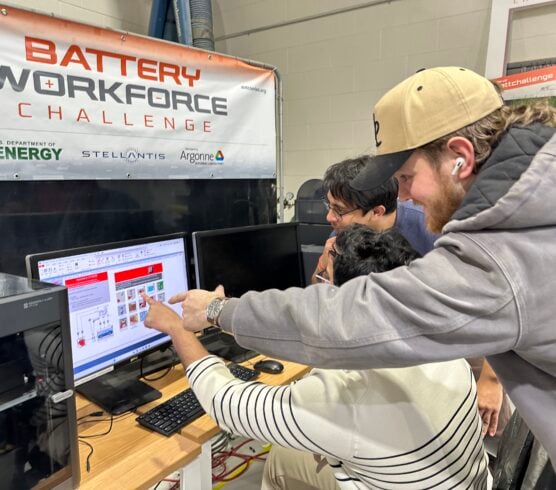
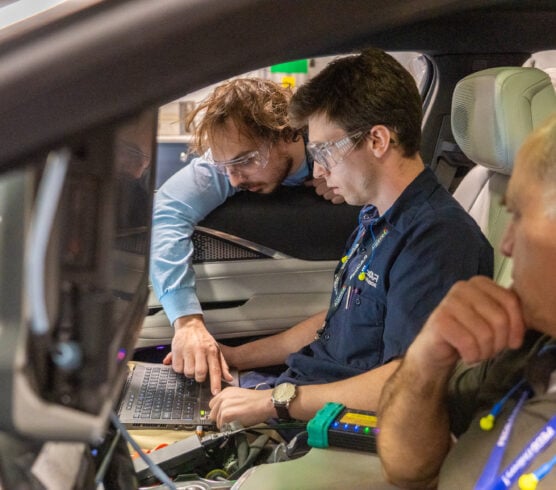
The vehicle architecture demanded constant problem-solving and coordination across systems. Patrick recalled a complex powertrain configuration that required rigorous integration: “We had a pretty complex powertrain… There was just a lot of components, and integrating them all was sort of the bulk of the work.” The team moved from a partially integrated “mule vehicle” to a fully functional competition vehicle, where every solved issue revealed the next. In his words, it often felt like “playing whack-a-mole with the problems that would come up.”
That environment shaped one of Patrick’s most enduring takeaways: balancing planning with decisive execution. He explained that EcoCAR taught him “the correct balance between planning and action,” emphasizing the importance of preparation, without getting stuck in perfectionism. “You can learn faster by building, testing, failing, and then iterating,” he said. That mindset shift matters in large, multi-disciplinary projects, where delays or missed details don’t just affect one person; they ripple across an entire team.
Stepping into leadership turned out to be a defining moment. Patrick shared that becoming Engineering Manager revealed what he enjoyed most: “I really enjoyed leadership… aligning people and execution… and the mentorship side of it.” That discovery carried into his professional life, where he actively sought opportunities to guide co-op students and new hires.
Today, Patrick works at General Motors as an automotive software developer supporting ADAS functionality. His EcoCAR experience didn’t just help him land interviews; it prepared him to contribute quickly in a complex, systems-driven environment. “All the things of system-level thinking, integration, teamwork, those are still very central in how I approach my work today,” he said. He also noted that EcoCAR offers something rare for early-career candidates: real project stories at a meaningful scale. If students lean in, EcoCAR becomes “real world experience… delivering under deadlines, collaborating across disciplines,” which can set them apart in interviews.
Patrick now gives back as a GM mentor, motivated by the same teaching and growth he discovered as a student leader. He described mentorship as a way to bridge classroom learning into practical outcomes, guiding students through how to think, not just what to do. What makes it rewarding? “Seeing the growth… guiding them… and then seeing them actually succeed after that.”
He also emphasized what industry mentors can uniquely provide: an understanding of “professional-grade engineering,” including documentation, scoping, verification, and knowing what “done” truly looks like. As he put it, mentors help teams avoid common pitfalls like “over-scoping,” “integrating too late,” or “skipping verification.”
When asked what advice he’d give to today’s EcoCAR students, especially those pursuing automotive or EV careers, Patrick didn’t hesitate: treat it like a professional role. “Treat it like a job,” he said. The students who stand out are the ones who can clearly explain “what they built, why they built it, and how it works.”
Looking ahead, Patrick hopes EcoCAR continues evolving alongside modern vehicle realities, electrification, software-defined functionality, and safety while preserving what makes the program uniquely valuable: hands-on integration that builds engineers who are ready on day one.
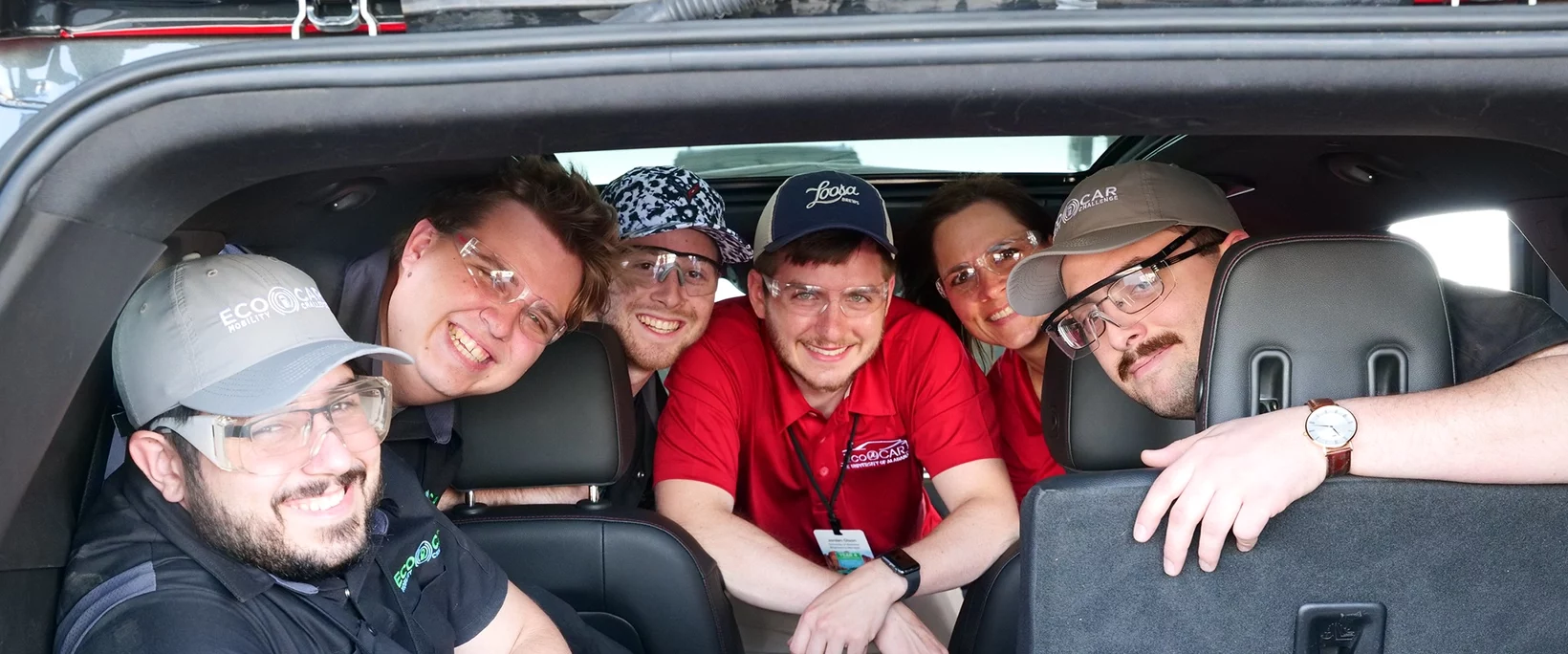
For UCR students and readers across the EcoCAR community, Patrick’s story is a clear reminder: the competition is more than a vehicle program. It’s a training ground for leadership, systems thinking, and professional habits that translate directly to industry and a community that stays connected long after the final event.
Interested in learning more about the EcoCAR EV Challenge at UC Riverside or getting involved with UCR EcoCAR? Follow the team on Instagram and LinkedIn and visit their Linktree to explore open roles, application information, and upcoming opportunities.