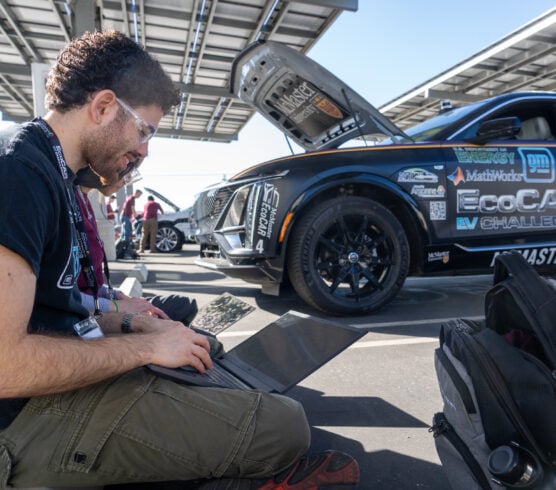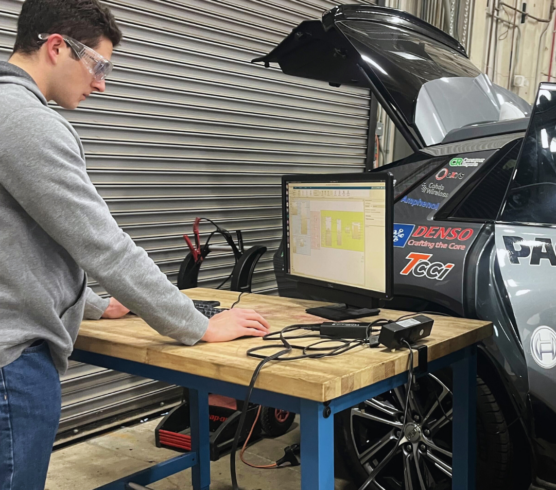
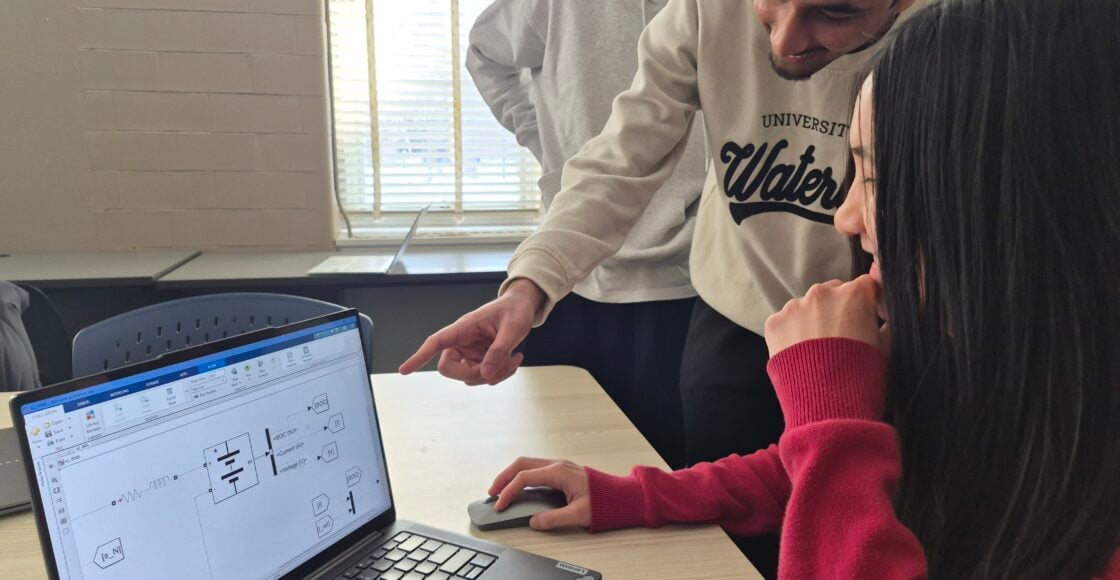
As part of the Battery Workforce Challenge, the University of Waterloo’s team transforms ideas into competition ready models using MathWorks. It’s also an essential software used in many sectors, including aerospace, energy, robotics, and automotive industries. This sponsorship helps students use and learn an essential industry-standard tool early on in their careers.
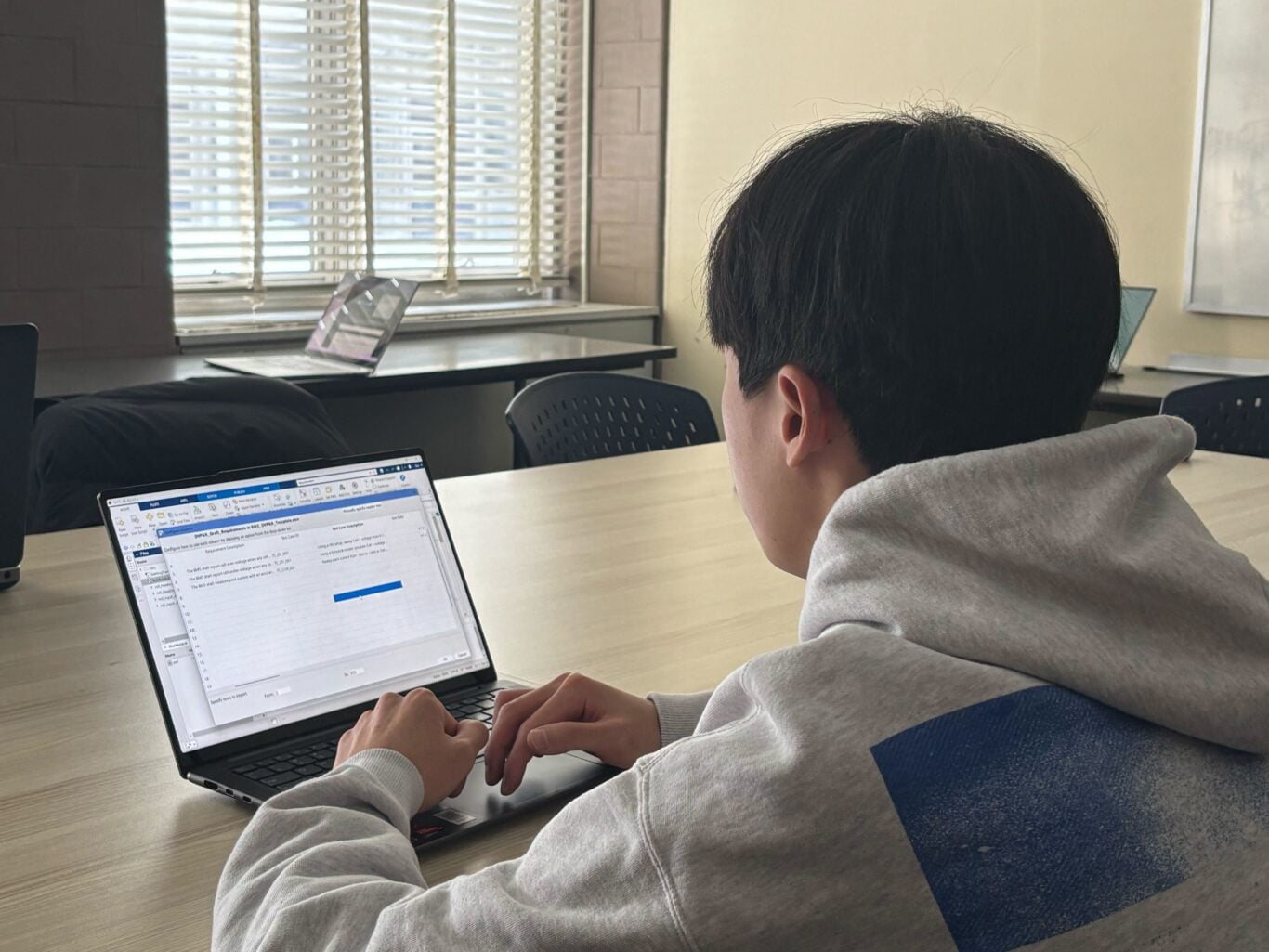
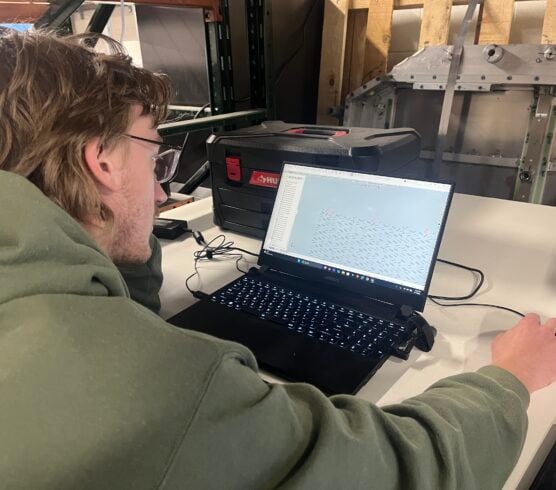
Sisi Jiang from the BMS team shares, “MATLAB enables me to see math such as linear algebra from a programming perspective. I’ve used it to check my matrix calculations when conducting nodal analysis for self-study of Linear Circuits.” Simulations using Simulink and Simscape improve accuracy as it gives us flexibility to check the state of our systems. Our BMS team actively uses the software for test cases, such as detecting cell voltage conditions when thresholds are crossed. Using Simulink Test and Coverage, we can safely explore edge cases and failure scenarios in a controlled environment.
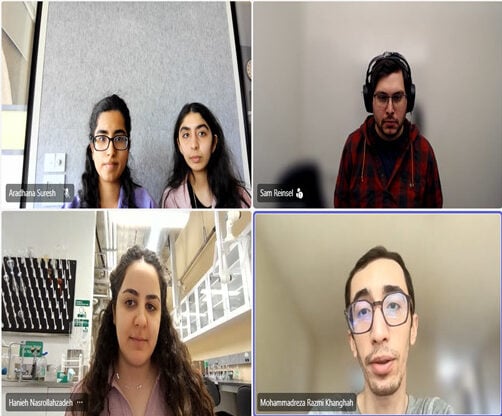
Through conversations with MathWorks, we’ve also gained valuable insight into how to better leverage these tools for modeling and validation. MathWorks helps bridge the gap between theoretical analysis and real-world hardware integration. Reza Razmi, the engineering manager of the team shares, “MATLAB and Simulink helped me a lot with designing a battery charging system, schematics, and feasibility [to] check if the system can work without the need to implement it in the real world.”
The University of Waterloo team would like to thank MathWorks for their guidance and support throughout the competition. MATLAB’s tools to simulate the BMS and other parts of the battery pack have provided invaluable insight into the internal workings and safety of the High Voltage Battery System (HVBS).
As a team, Waterloo is looking forward to completing the challenge and continuing to use MATLAB to foster student engagement and innovation and invites you to keep up to date with our progress via the BattChallenge UWLC LinkedIn!